segunda-feira, 15 de junho de 2026

Are We Living Through a Bad Era for Video Games? Or Have AAA Games Become Too Expensive to Innovate?


Have video games really lost their creativity? We compare the 90s and 2000s with today's gaming industry to understand why remakes, sequels, and established franchises dominate major releases.


Are We Living Through a Bad Era for Video Games?

If you've been following recent gaming showcases and industry events, you may have noticed something strange.

New announcements keep appearing, trailers look more impressive than ever, graphics continue evolving — yet many of the biggest highlights still revolve around sequels, remakes, reboots, and the return of older franchises.

Product 1

Buy Now

The Legend of Zelda: Tears of the Kingdom Digital - Nintendo Switch 2

R$ 499,90

Buy
Product 2

Buy Now

Sonic X Shadow Generations - Nintendo Switch 2

R$ 207,90

Buy
Product 3

Buy Now

Nintendo, Mario Kart World Digital, Nintendo Switch 2

R$ 425,90

Buy

Not that this is necessarily a problem, since it reflects market demand — but it raises an important question: Are we living through a bad era for video games, or simply an era where innovation has become too expensive? Before answering that, it's worth looking back.


The 90s and Early 2000s: When Taking Risks Felt Normal

There is a reason why so many players feel nostalgic about this era.

Between the 1990s and the mid-2010s, the gaming industry was growing quickly, but development costs still allowed more room for experimentation.

It was during this period that some of gaming’s biggest franchises were born.

  • Doom

  • Resident Evil

  • Metal Gear Solid

  • Halo

  • God of War

  • Devil May Cry

  • Kingdom Hearts

  • BioShock

  • Assassin’s Creed

  • Portal

  • Dead Space

  • Mass Effect

  • Uncharted

And here’s the important detail:

Back then, these franchises were risky bets.

There was no guarantee they would succeed. So why were they made?


Why Was There More Room for Innovation?

1. Lower Development Costs

Making a major game still required investment, but smaller teams could compete. Developers could test new ideas without risking hundreds of millions of dollars.


2. Constant Technological Leaps

Each generation introduced major changes:

  • 2D → 3D

  • CD → DVD

  • Internet-enabled consoles

  • Advanced physics systems

  • Open worlds

Simply having new technology created opportunities for entirely new genres.


3. Less Dependence on Marketing

Today, launching a global game requires massive campaigns. Back then, many games grew through magazines, rental stores, and word of mouth.


So Are Modern Games Really Less Creative?

Not exactly. Today we live in an interesting paradox: Never have so many games been released — yet most of the audience’s attention remains focused on the same names.

And maybe that is exactly why many of the games considered the most creative today come from independent studios.

With smaller budgets and less pressure to sell millions of copies, these teams can take more risks, experiment with mechanics, and explore ideas that would rarely be approved in large-scale productions.

It is also worth remembering that game development has become more accessible than in the past.

Today there are tools that make development faster and easier:

  • engines focused on specific genres, such as RPG Maker for RPGs;
  • tools designed for visual novels;
  • robust and versatile engines such as Unity and Unreal;
  • as well as proprietary engines created by major studios.

This has allowed small teams to create increasingly ambitious projects.

Meanwhile, large companies operate under a different logic:

  • reducing financial risks;
  • working with longer development cycles;
  • maintaining huge teams;
  • delivering predictable results to investors.

The result?

More sequels. More remakes. More familiar franchises.


The Problem with Modern AAA Games: When Innovation Became a Financial Risk

Imagine presenting two ideas.

  • Project A:

“An experimental new franchise.”

  • Project B:

“A sequel to a series that already sold millions.”

Which one seems safer?

This logic helps explain why we increasingly see:

  • remakes;
  • remasters;
  • reboots;
  • shared universes;
  • live service games;
  • franchise expansion.

This does not necessarily mean a lack of creativity. It means the margin for error has become smaller.

However, there is a concern that comes with this shift. With the constant pressure to maximize profits and reduce risk, some major releases can feel less driven by a creative vision and more guided by strategy, market analysis, and predictable outcomes.

Not because developers stopped loving games — thousands of artists, programmers, and designers still pour passion into their work — but because in massive productions, business decisions carry much more weight than before.

The result can be games designed to reach the widest possible audience, maximize retention, and reduce the chance of commercial failure.

And this is where some players begin to notice a change: it is not necessarily a lack of technical quality, budget, or content — but sometimes a feeling that something is missing.

Identity. Bold ideas. That feeling that a game is trying to surprise you. Maybe the problem is not that games stopped being made by people who love games. Maybe those people simply have less room to take risks.


So Where Is Innovation Today?

But that does not mean we are living through a bad era for video games or a creativity crisis. Maybe the difference is that the people responsible for innovation are no longer the biggest companies in the industry.

Companies such as Capcom, Square Enix, and Ubisoft spent decades building strong franchises and today tend to invest more in expanding universes that already proved their value.

Meanwhile, much of the experimentation has moved to smaller studios: Independent Developers. Maybe creativity has not decreased. Maybe it simply changed its address.


AA Studios

Mid-sized productions often manage to balance budget and creativity. We have seen this happen with projects that gained attention not because of huge budgets, but because they delivered memorable experiences and stronger creative identity.


New Global Development Hubs

China, South Korea, and other regions have started competing for creative space in the gaming industry.

This growth of new development hubs makes the market more competitive and, in many cases, pushes innovation even further.


Conclusion: We Are Not Living in a Bad Era — We Are Living in a More Cautious One

The gaming industry produces more games than ever before. But major releases often feel less risky because the cost of failure has become significantly higher.

The real question may not be:

“Why don’t games innovate anymore?”

But rather:

“Why do we expect only the industry giants to be responsible for innovation?”

Large companies operate differently today than they did decades ago — development is more expensive, competition is stronger, and success depends more than ever on predictable results.

But that does not mean video games are going through a bad period. In practice, players have never had so many options. If you are looking for bold, experimental, or unusual experiences, you will probably find them among indie studios, smaller productions, and emerging developers.

If you prefer cinematic productions, established franchises, or revisiting classics through remakes — and there is nothing wrong with that — there is also more content available than ever.

After all, projects such as the possible return of classics like Zelda: Ocarina of Time show that nostalgia can coexist with quality and introduce those experiences to a new generation.

Maybe creativity has not disappeared. Maybe it simply stopped occupying the center stage and started appearing in different places.

And what do you think? Are we living through a less creative era of gaming, or simply a moment where innovation changed hands? Leave your opinion in the comments.

Estamos vivendo uma época ruim para os videogames? Ou os AAA ficaram caros demais para inovar?

Os videogames realmente perderam criatividade? Comparamos os anos 90 e 2000 com a indústria atual para entender por que remakes, continuações e franquias dominam os grandes lançamentos.


Será que estamos vivendo uma época ruim para os videogames?

Se você assistiu aos eventos recentes da indústria, talvez tenha sentido algo estranho. Novos anúncios surgem, trailers impressionam, gráficos evoluem, mas muitos dos maiores destaques continuam sendo sequências, remakes, reboots ou retornos de franquias antigas

Produto 1

Compre agora

The Legend of Zelda: Tears of the Kingdom Digital - Nintendo Switch 2

R$ 499,90

Comprar
Produto 2

Compre agora

Sonic X Shadow Generations - Nintendo Switch 2

R$ 207,90

Comprar
Produto 3

Compre agora

Nintendo, Jogo, Mario Kart World Digital, Nintendo Switch 2

R$ 425,90

Comprar

Não que necessariamente isso seja um problema, considerando que tratasse de uma demanda de mercado, porém isso levanta uma pergunta: estamos vivendo uma época ruim para os videogames, ou apenas uma época em que inovar ficou caro demais? Antes de responder, vale olhar para trás.


Os anos 90 e início dos anos 2000: quando arriscar parecia normal

Existe uma razão para tanta nostalgia dessa época. Entre os anos 90 e meados de 2010, a indústria crescia rápido, mas os custos ainda permitiam experimentação.

Foi justamente nesse período que nasceram franquias gigantes.

  • Doom

  • Resident Evil

  • Metal Gear Solid

  • Halo

  • God of War

  • Devil May Cry

  • Kingdom Hearts

  • Bioshock

  • Assassin's Creed

  • Portal

  • Dead Space

  • Mass Effect

  • Uncharted

O detalhe importante: na época, essas franquias eram apostas. Não existia garantia de sucesso, então porque foram feitas?


Por que havia mais espaço para inovação?

1. Custos menores

Produzir um grande jogo ainda exigia investimento, mas equipes menores conseguiam competir. Era possível testar ideias novas sem colocar centenas de milhões em risco.


2. Saltos tecnológicos constantes

Cada geração trazia mudanças enormes:

  • 2D → 3D

  • CD → DVD

  • internet nos consoles

  • física avançada

  • mundo aberto

Só existir tecnologia nova já criava espaço para novos gêneros.


3. Menor dependência de marketing

Hoje um lançamento global exige campanhas gigantes. Antigamente muitos jogos cresciam por revista, locadora e boca a boca.


Então os jogos atuais são realmente menos criativos?

Não exatamente. Hoje existe um paradoxo curioso: Nunca tivemos tantos jogos sendo lançados — mas a atenção do público continua concentrada nos mesmos nomes. E talvez seja justamente por isso que muitos dos jogos considerados mais criativos atualmente venham de estúdios independentes.

Com orçamentos menores e menos pressão para vender milhões de cópias, essas equipes conseguem arriscar mais, testar mecânicas novas e explorar ideias que dificilmente seriam aprovadas em grandes produções. Também vale lembrar que criar jogos ficou mais acessível do que no passado.

Hoje existem ferramentas que aceleram e facilitam o desenvolvimento:

  • engines focadas em gêneros específicos, como RPG Maker para RPGs;
  • ferramentas para visual novels;
  • engines robustas e versáteis como Unity e Unreal;
  • além das engines próprias dos grandes estúdios.

Isso permitiu que equipes pequenas produzissem jogos cada vez mais ambiciosos.

Enquanto isso, as grandes empresas seguem uma lógica diferente:

  • diminuem riscos;
  • trabalham com ciclos de desenvolvimento maiores;
  • mantêm equipes enormes;
  • precisam entregar resultados previsíveis para investidores.

O resultado? Mais continuações. Mais remakes. Mais franquias já conhecidas. 


O problema dos AAA modernos: quando inovar virou um risco financeiro

Imagine apresentar duas ideias.

  • Projeto A:

“Nova franquia experimental.”

  • Projeto B:

“Continuação de uma série que já vendeu milhões.”

Qual parece mais segura? Essa lógica ajuda a explicar por que vemos cada vez mais:

  • remakes;
  • remasters;
  • reboots;
  • universos compartilhados;
  • jogos como serviço (live service);
  • expansão de franquias.

Isso não significa necessariamente uma falta de criatividade. Significa que a margem para erro diminuiu. Entretanto, existe um ponto que pode ser preocupante nesse cenário.

Com a pressão constante para otimizar lucros e reduzir riscos, alguns grandes lançamentos acabam transmitindo a sensação de que deixaram de ser guiados principalmente por uma visão criativa para serem guiados por decisões estratégicas e previsões de mercado.

Não porque os desenvolvedores tenham deixado de gostar de videogames — afinal, milhares de artistas, programadores e designers continuam colocando paixão nesses projetos — mas porque, em produções gigantescas, decisões corporativas passaram a ter um peso muito maior.

O resultado pode ser jogos construídos para alcançar o maior público possível, maximizar retenção e reduzir chances de fracasso comercial. E é nesse ponto que parte dos jogadores começa a sentir uma mudança: não necessariamente falta qualidade técnica, orçamento ou conteúdo, mas às vezes parece faltar identidade, ousadia ou aquela sensação de que o jogo está tentando apresentar algo realmente novo.

Talvez o problema não seja que os jogos tenham deixado de ser feitos por pessoas que amam videogames. Talvez seja que, em alguns casos, essas pessoas tenham cada vez menos espaço para assumir riscos.


Mas então onde está a inovação?

Mas isso não significa que estamos vivendo uma época ruim ou uma crise de criatividade nos videogames. Talvez a diferença seja que os responsáveis por inovar já não sejam mais os gigantes da indústria. 

Empresas como Capcom, Square Enix e Ubisoft passaram décadas construindo franquias fortes e hoje tendem a investir mais em expandir universos que já provaram seu valor. Enquanto isso, boa parte da experimentação migrou para estúdios menores: os Estúdios Independentes. Talvez a criatividade não tenha diminuído. Talvez ela apenas tenha mudado de endereço.


Estúdios AA

Produções médias conseguem equilibrar orçamento e criatividade. Como vimos com Silksong e Hollow Night.


Novos polos globais

China, Coreia e outros mercados começaram a disputar espaço criativo. E essa ascensão de outros polos de desenvolvimento torna o mercado mais competitivo e consequentemente mais inovador.


Conclusão: não estamos em uma era ruim — estamos em uma era mais cautelosa

A indústria atual produz mais jogos do que nunca. Mas os grandes lançamentos parecem menos arriscados porque o custo para falhar aumentou.

A verdadeira pergunta talvez não seja: “Por que os jogos não inovam mais?”, e sim: “Por que esperamos que apenas os gigantes da indústria sejam responsáveis pela inovação?”

O mercado das grandes empresas hoje funciona de forma diferente de décadas atrás — mais caro, mais competitivo e muito mais dependente de resultados previsíveis. Mas isso não significa que os videogames estejam vivendo uma era ruim.

Na prática, nunca existiram tantas opções. Se você procura experiências mais ousadas, experimentais ou diferentes, provavelmente vai encontrar isso em estúdios independentes, produções menores ou novos desenvolvedores ganhando espaço.

Se prefere grandes produções cinematográficas, franquias consolidadas ou até revisitar clássicos através de remakes — e não há nada de errado nisso — também existe muito conteúdo sendo produzido. Afinal, jogos como o possível retorno de clássicos como Zelda: Ocarina of Time mostram que nostalgia também pode coexistir com qualidade e apresentar essas experiências para uma nova geração.

Talvez a criatividade não tenha desaparecido. Talvez ela apenas tenha deixado de ocupar o centro dos grandes palcos e começado a surgir em lugares diferentes.

E você, o que acha? Estamos vivendo uma época menos criativa nos videogames ou apenas uma fase em que a inovação mudou de mãos? Deixe sua opinião nos comentários.

sexta-feira, 12 de junho de 2026

Concept Art – Aiko Meiko, the “Flashing Cat”

Hey everyone! This time I want to share with you the concept art of the character Aiko Meiko, a feline-looking warrior who combines extreme speed with unexpected destructive power.

Known by the title “Flashing Cat”, Meiko wields the Sword of Light, a colossal blade capable of emitting intense flashes with every strike. In combat, she uses all of her agility to vanish from her opponents’ sight and launch fast, precise attacks without leaving any trace of where the strike originated.

Visually, Aiko was designed to create a striking contrast: despite appearing as a young girl with feline traits, her oversized weapon gives her an unexpected sense of power. This contrast between appearance and capability reinforces one of the character’s core concepts — speed over apparent brute strength.

During the development process, several silhouette variations were explored to find a visual identity that felt both dynamic and memorable. After that stage, clothing studies were created by testing different styles until a more modern look proved to fit the character’s personality and overall concept.

The final design aimed to balance three main elements:

  • Agility and lightness through body silhouette;
  • Visual impact by using an oversized sword compared to the character’s size;
  • A striking identity based on light, movement, and precision.

Aiko Meiko represents the idea that power does not always come from appearance — sometimes it appears only as a flash… and by the time you realize it, the battle is already over.

Did you enjoy the concept? Share your thoughts and tell me which details of the design caught your attention the most!

Concept Art – Aiko Meiko, a “Flashing Cat”

Fala, pessoal! Desta vez quero compartilhar com vocês o concept art da personagem Aiko Meiko, uma guerreira de aparência felina que combina velocidade extrema com um poder destrutivo inesperado.

Conhecida pelo título de “Flashing Cat”, Meiko empunha a Montante da Luz, uma espada colossal capaz de emitir intensos flashes luminosos a cada golpe. Em combate, ela utiliza toda a sua agilidade para desaparecer do campo de visão dos oponentes e surgir em ataques rápidos e precisos, sem deixar qualquer vestígio de onde veio o golpe.

Visualmente, Aiko foi desenvolvida para transmitir um contraste marcante: apesar de possuir a aparência de uma jovem garota com características de gato, sua arma gigante cria uma sensação de força inesperada. Essa diferença entre aparência e capacidade física reforça um dos pilares do conceito da personagem — velocidade acima da força bruta aparente.

Durante o desenvolvimento do projeto, foram exploradas diversas variações de silhueta para encontrar uma identidade visual que fosse ao mesmo tempo dinâmica e memorável. Depois dessa etapa, seguimos para estudos de vestimenta, experimentando diferentes estilos até chegar em um visual mais moderno, que se encaixou melhor na personalidade e na proposta geral da personagem.

O design final buscou equilibrar três elementos principais:

  • Agilidade e leveza através da silhueta corporal;
  • Impacto visual usando uma espada desproporcional ao tamanho da personagem;
  • Identidade marcante baseada em luz, movimento e precisão.

Aiko Meiko representa a ideia de que poder nem sempre vem da aparência — às vezes ele aparece apenas como um clarão… e quando você percebe, a batalha já terminou.

Gostaram do conceito? Compartilhem o que acharam e me contem quais detalhes do design mais chamaram atenção!

quarta-feira, 10 de junho de 2026

Zeno vs Brago in Zatch Bell: Who Would Win This Battle?

Among all the battles that never happened in Zatch Bell, few spark as much curiosity as Zeno vs Brago.

Both characters have always been portrayed as some of the strongest mamodos in the series, defeating opponents with ease and appearing almost unbeatable at different moments. But if this battle had actually happened… who would win? To answer that, we’ll mainly consider what was shown in the anime.


1. Raw Strength and Destructive Power

When it comes to pure power, both are impressive.

  • Brago

Brago fights using his famous gravity spells, capable of crushing and controlling the battlefield. On top of that, physically he appears to be one of the strongest mamodos in the series. His presence in battle always conveys superiority.

  • Zeno

Zeno follows a different path. His electric spells are fast, precise, and extremely destructive. Unlike Zatch, he kept his memories from the Mamodo World, making him far more experienced and strategic. Another interesting detail: throughout the series, Zeno never showed fear toward Brago, suggesting he believed he had real chances of winning.

Although Brago seems to possess greater physical strength, Zeno demonstrates a broader and more advanced spell arsenal.

This section ends up being almost a technical draw between the two.


2. Human Partners — The Factor That Changes Everything

This is where things become more difficult for Brago.

  • Sherry

Sherry is an excellent partner and shares a strong connection with Brago, contributing greatly to his growth. However, throughout different moments in the story, she also placed Brago in difficult situations due to moments of weakness and trauma tied to her past.


  • Dufort

Dufort is a completely different case. Thanks to Answer Talker, he has the ability to analyze any situation and find the most efficient solution to overcome obstacles and win battles. This ability makes Dufort much more than just a partner: he becomes Zeno’s greatest strategic weapon.

Throughout the series, Dufort demonstrates the ability to predict movements, identify weaknesses, and choose the ideal moment to attack or defend, minimizing mistakes and energy waste. Because of this, many fans consider him, alongside Kiyo, to be among the the most powerful human partners in Zatch Bell.

This combination of Zeno’s immense power and Dufort’s analytical ability gives the duo a massive advantage in strategy, adaptation, and decision-making during battle , making them relatively stronger than the combination of Sherry and Brago.


3. Anime or Manga?

This difference completely changes the result. If we consider only the anime: The fight would be extremely balanced. Brago would have the advantage in raw power. Zeno would have speed, technique, and Dufort.

Likely result:

Brago 40% × 60% Zeno, with this small difference mainly caused by Dufort’s presence in battle, since in terms of raw power, techniques, and spells, both are extremely powerful and relatively close.

If we consider the manga

Brago awakens the Shin spells, the highest level of power a mamodo can reach. Since Zeno never showed that same level of evolution, Brago ends up clearly surpassing him.


Result:

Brago wins with ease.

The Shin spells place Brago on an entirely different level of power, making the fight heavily one-sided. Even with Dufort and Answer Talker, the power gap would simply be too large to overcome through strategy alone. Additionally, Sherry goes through intense training to prepare for fighting Clear, showing how much both she and Brago evolve by the end of the manga. Because of that, Brago would hold a clear advantage overall.


Conclusion

In the anime, Zeno vs Brago would probably be one of the most competitive battles in Zatch Bell.

Brago dominates in raw strength and endurance. Zeno makes up for it with intelligence, speed, and Dufort’s incredible support.

However, once we consider the manga, Brago’s final growth places him on another level and turns him into the clear favorite.


And you, who do you think would win this fight? What other battle that never happened in the anime would you like to see analyzed here? Leave your opinion in the comments!

Zeno vs Brago em Zatch Bell: Quem venceria a batalha mais aguardada pelos fãs?

Entre todas as lutas que nunca aconteceram em Zatch Bell, poucas despertam tanta curiosidade quanto Zeno vs Brago

Os dois sempre foram apresentados como alguns dos mamodos mais poderosos da série, vencendo adversários com facilidade e parecendo quase imbatíveis em vários momentos. Mas se essa luta realmente tivesse acontecido… quem sairia vencedor? Para responder isso, vamos considerar principalmente o que foi mostrado no anime.


1. Força bruta e poder destrutivo

Quando o assunto é poder puro, os dois impressionam.

  • Brago

Brago luta usando suas famosas magias gravitacionais, capazes de esmagar e controlar o campo de batalha. Além disso, fisicamente ele parece ser um dos mamodos mais fortes da obra. Sua presença em combate sempre transmite superioridade.

  • Zeno

Zeno segue outro caminho, suas magias elétricas são rápidas, precisas e extremamente destrutivas. Diferente do Zatch, ele manteve suas memórias do Mundo Mamodo, o que o torna muito mais experiente e estratégico. Outro detalhe curioso: durante toda a série, Zeno nunca demonstrou medo do Brago, sugerindo que acreditava ter chances reais de vitória. 

Embora Brago aparenta ter uma força bruta superior, em termos físicos, Zeno mostra ter um repertório de magias superiores, aparentando ter avançado mais as suas técnicas. 

Nessa seção existe praticamente um empate técnico entre ambos. 


2. Parceiros humanos — o ponto que muda tudo

Aqui o cenário fica mais complicado para o Brago.

  • Sherry

Sherry é uma ótima parceira e possui uma conexão forte com Brago, ajudando bastante no crescimento dele. Entretanto, em diversos momentos da obra, a própria colocou o Brago em situações complicadas, por demonstrar fraqueza e traumas ligados ao seu passado.


  • Dufort

Dufort é um caso completamente diferente, graças ao Answer Talker, ele possui a capacidade de analisar qualquer situação e encontrar a solução mais eficiente para superar obstáculos e vencer batalhas. Essa habilidade transforma Dufort em muito mais do que apenas um parceiro: ele se torna a principal arma estratégica do Zeno.

Ao longo da série, Dufort demonstra prever movimentos, identificar pontos fracos e escolher o momento ideal para atacar ou defender, reduzindo ao máximo erros e desperdício de energia. Por isso, muitos fãs consideram que, ao lado de Kiyo, ele está entre os humanos mais poderosos de Zatch Bell.

Essa combinação entre o enorme poder do Zeno e a capacidade analítica do Dufort dá à dupla uma vantagem gigantesca em estratégia, adaptação e tomada de decisão durante o combate, superando relativamente fácil da combinação de Sherry e Brago.


3. Anime ou mangá?

Essa diferença muda completamente o resultado. Se for apenas o anime A luta seria muito equilibrada. Brago teria vantagem em força. Zeno teria velocidade, técnica e Dufort. 

Resultado provável:

Brago 40% × 60% do Zeno, sendo essa diferença leve, causada especialmente pela presença do Dufort no combate, uma vez que em poder bruto, técnicas e magias eles são muito poderosos e relativamente próximos.

Se considerarmos o mangá

Brago desperta as magias Shin, o nível mais alto de poder dos mamodos. Como Zeno nunca mostrou esse mesmo avanço, Brago acaba ficando acima com facilidade.


Resultado:

Vitória do Brago com facilidade. 

As magias Shin colocam Brago em um nível de poder muito acima, tornando a luta bem desequilibrada. Mesmo com o Dufort e o Answer Talker, a diferença de força seria grande demais para ser compensada apenas com estratégia. Além disso, Sherry passa por um treinamento pesado para enfrentar o Clear, o que mostra o alto nível de evolução da dupla Brago e Sherry. Por isso, no geral, Brago teria uma vantagem clara nessa luta.


Conclusão

No anime, Zeno vs Brago seria provavelmente uma das batalhas mais disputadas de Zatch Bell. Brago domina na força e resistência. Zeno compensa com inteligência, velocidade e o apoio absurdo do Dufort. Já no mangá, o crescimento final do Brago coloca ele como favorito.

E você, quem acha que venceria essa luta? Qual outro confronto que nunca aconteceu no anime você gostaria de ver analisado aqui? Deixe sua opinião nos comentários!

terça-feira, 9 de junho de 2026

Nintendo Direct June 2026: Zelda Ocarina of Time Is the Biggest Highlight and One of the Main Reasons to Consider the Switch 2

After several busy weeks in the gaming industry calendar, with major events happening back-to-back and multiple companies presenting their upcoming projects, it was finally Nintendo’s turn to reveal its plans for the Nintendo Switch 2.

The June 2026 Nintendo Direct naturally carried high expectations. After all, this event comes roughly one year after the console’s launch — a moment when many players expected to see more clearly what the major exclusives would be and the direction of the platform over the coming years.

Overall, the presentation delivered a solid amount of content and significantly strengthened the Switch 2 lineup. Even so, there was still a feeling that there was room for more original announcements and truly new experiences among the company’s main franchises.


A Direct That Strengthened the Switch 2 Library

One of the event’s biggest strengths was showing how the Nintendo Switch 2 continues to receive productions that once seemed unlikely within Nintendo’s ecosystem.

Among the announcements were major games such as Onimusha: The Way of the Sword, Dragon’s Dogma 2: Dark Arisen, Stellar Blade, Rayman Legends Retold, Lords of the Fallen 2, Lies of P, Devil May Cry 5: Devil Hunter, RuneScape: Dragonwilds, Metaphor: ReFantazio, and Minecraft.

It’s difficult to ignore the value this kind of library adds to the console. The hybrid concept remains one of Nintendo’s greatest advantages: being able to play titles of this scale in handheld mode certainly increases the appeal of the Switch 2.

At the same time, part of the audience expected more brand-new debuts or simultaneous launches with other platforms. Not because these games are any less relevant — many of them are excellent — but because there is a natural expectation to see the console further establish its own identity.


1. Zelda Ocarina of Time Remake — The Highlight of the Event

If there was one announcement that dominated conversations after the Direct, it was the return of The Legend of Zelda: Ocarina of Time. Few games carry such a powerful legacy in gaming history as Zelda Ocarina of Time. Even decades after its original release, it still appears on lists of the greatest games of all time and continues influencing the design of modern adventure games.

Although the Nintendo 3DS already received an extremely competent reimagining, the new Zelda Ocarina of Time remake for Switch 2 appears to be a far more ambitious project visually.

The teaser clearly showed the graphical leap and immediately became the most talked-about moment of the event. At the same time, there was a natural curiosity: this time Nintendo showed more atmosphere and artistic direction than actual gameplay.

Seeing more gameplay in the future will be important to understand the true scope of this reconstruction. Even with limited information, this was without a doubt the announcement that elevated the Direct the most and perhaps the first game capable of making many people look more seriously at the Nintendo Switch 2.


2. Kingdom Hearts IV Returns and Expands the Weight of the Library

After a relatively quiet period, Kingdom Hearts IV reappeared and immediately became one of the most discussed announcements of the presentation.

The franchise remains one of the most popular RPG series in the market, and its presence helps make the Switch 2 even more appealing for players looking for long, cinematic experiences.

There are still no details regarding release date and gameplay mechanics, but it was one of those announcements that reinforces the perception of the console as an increasingly complete platform. Meanwhile, players waiting for launch can pick up the classic trilogy collection and revisit this adventure.


3. Xenoblade Collection and Xenoblade Genesis Reinforce the Console’s JRPG Side

For JRPG fans, this was probably one of the strongest segments of the event. The collection featuring the Xenoblade trilogy works as an excellent entry point for new players and helps prepare the ground for Xenoblade Genesis.


The series has already built a strong reputation thanks to its expansive worlds, ambitious storytelling, and memorable soundtracks — and everything suggests the new project will continue in that direction.

For fans of the genre, this announcement may end up becoming one of the most important titles during the Nintendo Switch 2 lifecycle.


4. Pokopia Receives an Aquatic Expansion and New Exploration Possibilities

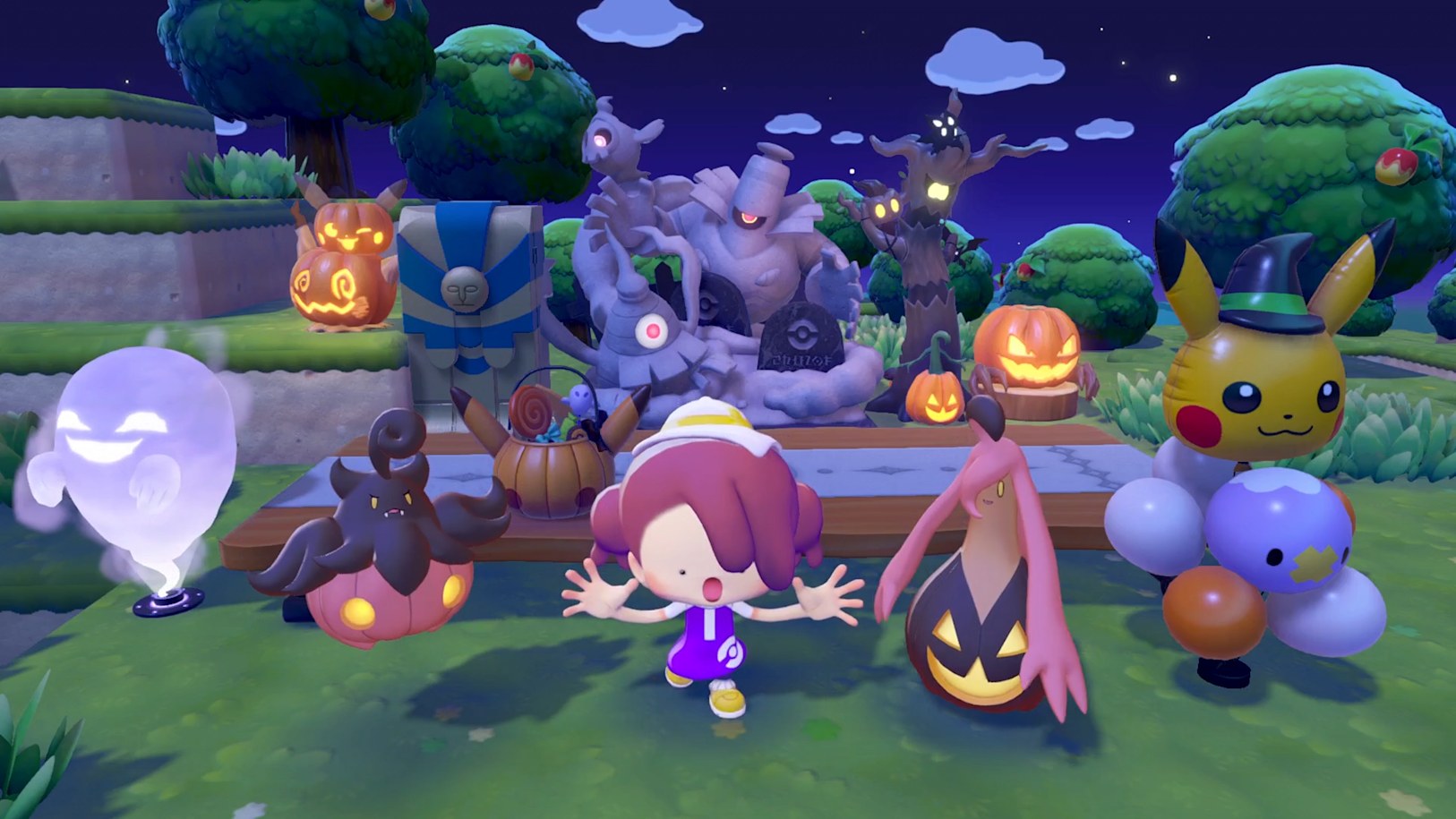
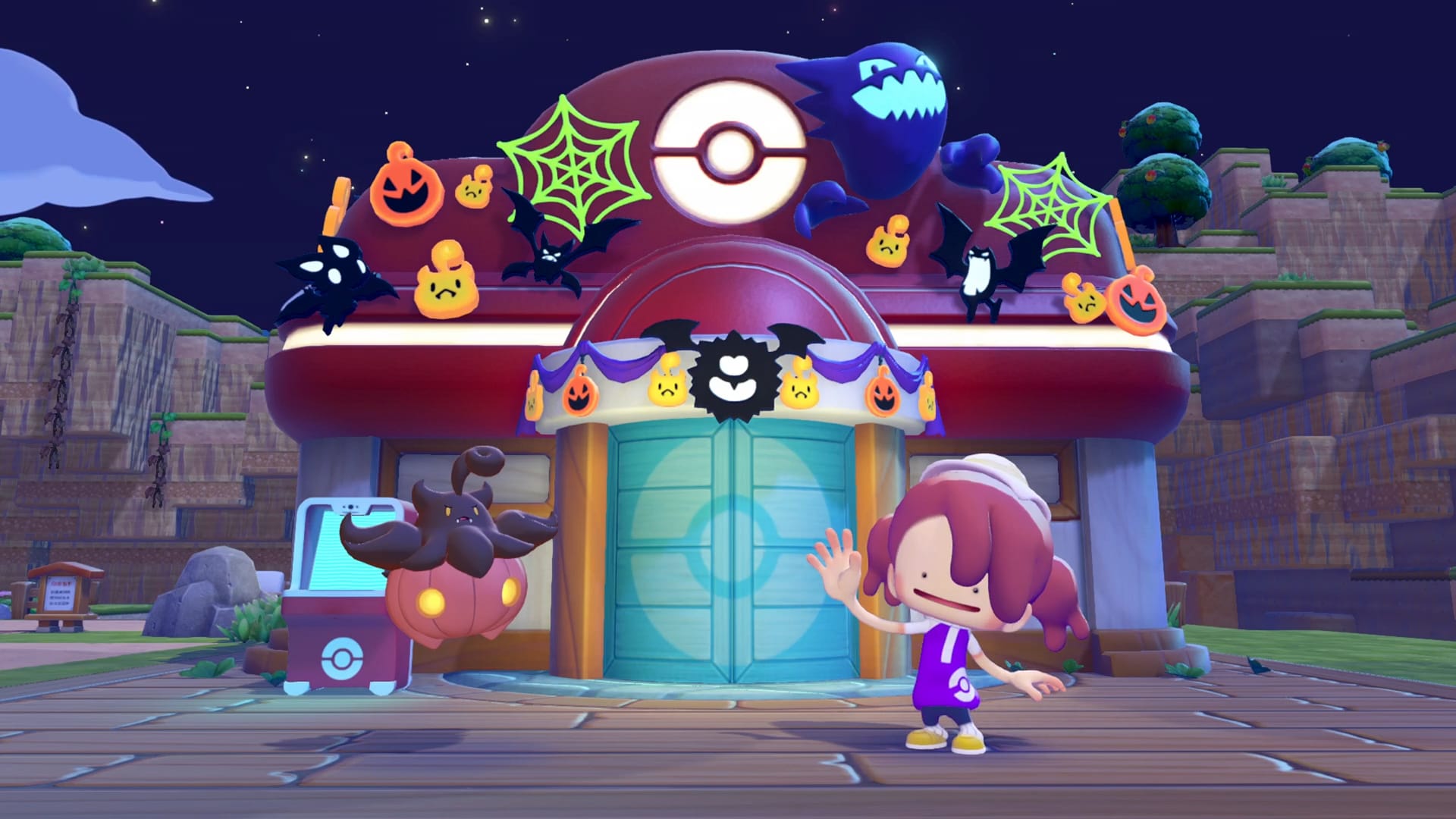
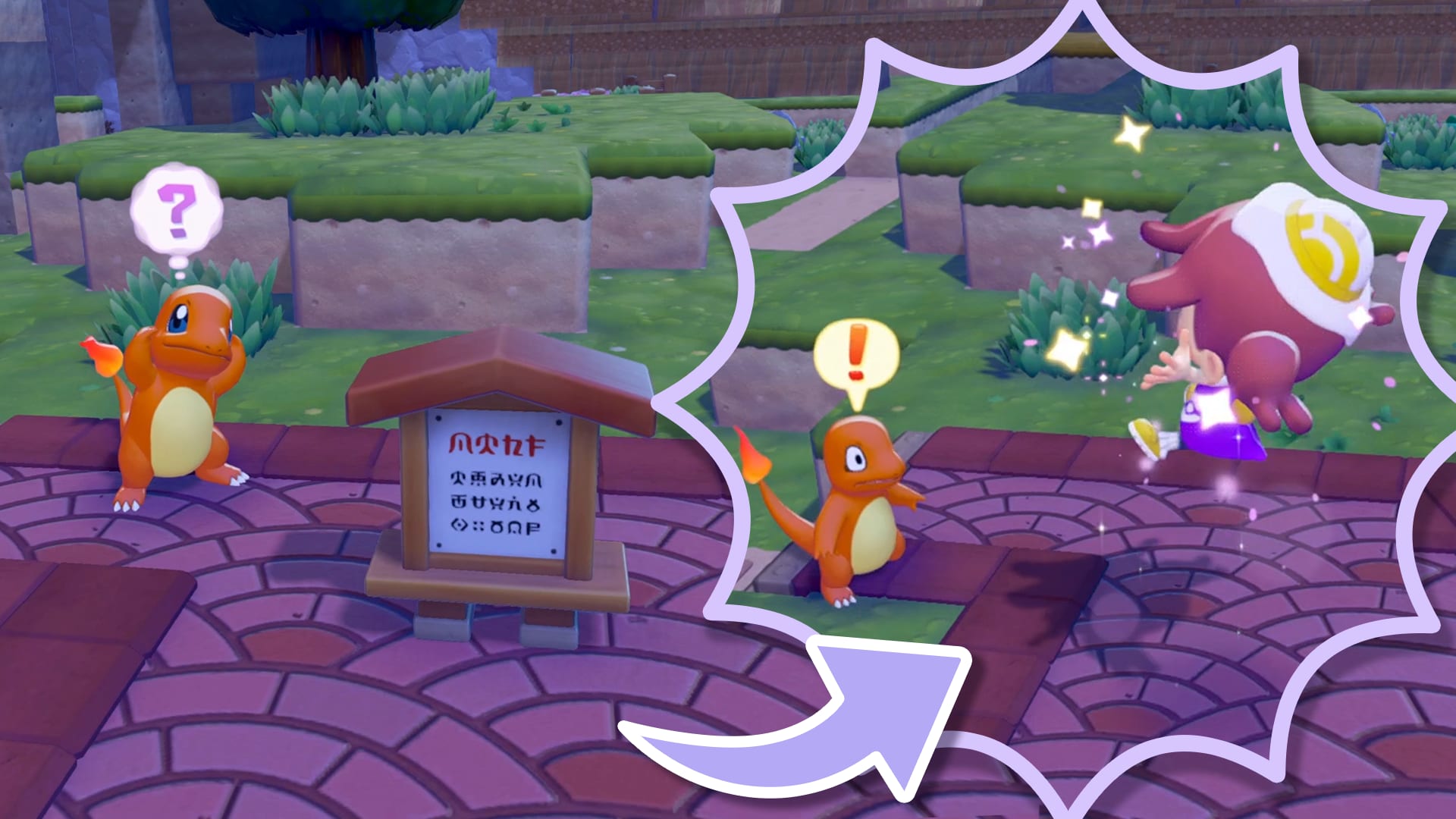
Among the lighter announcements during the presentation was the new aquatic expansion for Pokopia. The Pokémon-inspired spin-off returns with new explorable areas, additional mechanics, and more freedom for players to experiment with different systems throughout the adventure.

It may not be an announcement that moves the entire market, but it certainly connects well with Nintendo’s traditional audience.


5. Star Fox Returns and Rekindles Interest in One of Nintendo’s Classic Franchises

Among the announcements that stood out during the Direct, the return of Star Fox felt like one of those moments capable of awakening both nostalgia and curiosity at the same time.


Although the franchise hasn’t received major attention in recent years, it remains one of Nintendo’s most traditional IPs and still holds a special place among players who have followed different generations of the brand.

Interest also gained momentum recently after the franchise’s brief appearance in Nintendo’s cinematic universe in Super Mario Galaxy: The Movie, reigniting discussions among fans about a possible return of the series to video games.

There is still little information available about the announced project, but its presence alone was enough to generate positive expectations.

More than simply bringing back a classic franchise, this may be the ideal moment to show how Star Fox can evolve on the Nintendo Switch 2, taking advantage of the console’s more modern hardware to deliver a visually more ambitious experience without abandoning what has always defined the series: fast-paced action, space exploration, and the charm of its universe.


6. Fire Emblem: Fortune's Weave Keeps One of Nintendo’s Most Consistent Series Alive

Another announcement that deserves individual attention was Fire Emblem: Fortune's Weave. The franchise has built an extremely solid reputation within the turn-based strategy genre and remains one of the most consistent properties in Nintendo’s catalog.


Based on what was shown, the new game appears to maintain the elements that established the series: tactical combat, strategic decision-making, and a strong focus on characters.

It may not have been the most explosive reveal of the event, but for fans of the franchise, it was an important reminder that the Switch 2 continues receiving games aimed at different audiences.


7. Orbitals — A Curious Surprise

Among the announcements shown during the event, Orbitals stood out as one of those reveals that immediately sparks curiosity.

With a striking art direction and a very distinctive visual identity, the game attracted attention by presenting a concept that breaks from convention and shows personality from its very first trailer.

Another interesting point is how the project seems to align perfectly with what traditionally works within Nintendo’s ecosystem: more creative, accessible experiences that encourage discovery and interaction.

There is still little information available at this point, but that sense of novelty made Orbitals one of the most interesting announcements of the Direct.

It may not have been the most discussed game after the event ended, but it left a positive impression and easily earns a place among the titles worth watching over the coming months as more showcases appear.


8. Smaller Games, Pixel Art, and Nintendo’s More Traditional Identity

Beyond the major announcements, the Direct also made room for smaller projects, games with broader family appeal, and several productions featuring a pixel art aesthetic — something that continues to be an important part of Nintendo’s identity built over the years.

This type of presence often divides opinions during large-scale events, especially when part of the audience expects blockbuster reveals or AAA productions. Even so, these titles play an important role within the console’s ecosystem.

Not every game needs to compete for the same spotlight as major releases. Often, these smaller productions find the perfect environment in the handheld format to grow, reach new audiences, and build highly engaged communities throughout the console’s life cycle.

Additionally, presentations like this serve as an excellent showcase for independent developers, who frequently struggle to gain visibility in a market increasingly dominated by massive investments and large-scale campaigns from major studios.

Even without carrying the weight of the biggest announcements, these projects expand the diversity of the catalog and reinforce a characteristic that has historically followed Nintendo: offering room for both major franchises and creative experiences that might have fewer opportunities to stand out on other platforms.


Secondary Highlights: Other Announcements That Also Marked Nintendo Direct

In addition to the announcements that received the most attention during the presentation, Nintendo Direct June 2026 also introduced several titles that help expand the Nintendo Switch 2 lineup and demonstrate the variety that continues to define the platform.

Among the additional announcements featured during the event:

  • Hello Kitty Party Land
  • Nintendo Switch Sports Resort
  • Rhythm Heaven Groove
  • Splatoon Raiders
  • The Duskbloods
  • DELTARUNE
  • Dragon Quest Monsters: The Withered World
  • Minecraft – Enhanced Edition
  • Donkey Kong Bananza (special event announced during the Direct)

Although they received less attention in post-event discussions, these announcements helped create a more diverse presentation, balancing new experiences, classic franchises, social games, independent projects, and titles aimed at different types of players.

Even without competing for the spotlight with names like Zelda Ocarina of Time, Kingdom Hearts IV, or Xenoblade Genesis, they reinforce the perception that the Switch 2 continues trying to serve a wide variety of audiences within its ecosystem.


Conclusion: A Strong Event for the Present of Switch 2 and an Open Expectation for the Future

The Nintendo Direct June 2026 was a solid event and delivered announcements that significantly strengthen the value of the Nintendo Switch 2.

There is value in expanding the catalog and allowing players portable access to experiences that were previously concentrated on other platforms.

At the same time, considering the cost of the console and the stage it currently occupies in the market, there may have been room to present more original projects or bigger bets involving some of Nintendo’s biggest franchises.

That does not reduce the quality of the games shown.

But it may explain why part of the community left the event feeling that the Switch 2 still has room to show something beyond delayed versions of already established major releases.

In the end, Zelda Ocarina of Time turned out to be exactly what many expected: the strongest announcement of the presentation and one of the first projects truly capable of making audiences pay closer attention to the Switch 2.

Even though the idea of revisiting this classic has existed in fans’ imagination for years, seeing the project finally become reality was enough to make Zelda the most memorable moment of the event.