sexta-feira, 19 de junho de 2026

Spider-Man: Brand New Day Gets a New Promotional Trailer

The new trailer for Spider-Man: Brand New Day may have revealed far more than just another MCU adventure. Instead of presenting a traditional superhero story, the footage appears to point toward a narrative centered on identity, transformation, and loss of control.

After the events of No Way Home, Peter Parker now lives in a world that no longer remembers who he is — and that emotional isolation may be turning into something far greater.

What initially looked like another grounded Spider-Man movie may actually be setting up one of the biggest changes Peter Parker has ever faced inside the MCU.

Between moments suggesting physical instability, references to mutation, and an enemy that seemingly acts without even appearing clearly on screen, fans quickly started connecting theories, comic book inspirations, and hidden details spread throughout the trailer.


Spider-Man’s possible transformation may be the movie’s real conflict

One of the biggest details that caught viewers’ attention in the trailer was the fact that Peter does not appear fully in control of his own body.

Several scenes give the impression that his powers are evolving — or undergoing some kind of mutation, creating behaviors even he does not seem capable of fully understanding.

Some moments show almost instinctive reactions and an unusual level of intensity even by Spider-Man standards. That led many fans to remember comic stories that explored a more aggressive and unpredictable side of the character, suggesting he may be experiencing a mutation that turns him into a more spider-like being, similar to what happened in one episode of the 1990s animated series.

That raises an important question: Is Peter becoming stronger… or is he becoming something different at the cost of his humanity?

If this direction turns out to be correct, the transformation may not represent a power boost — but rather a problem Peter will need to stop before it becomes irreversible.


The fight against Hulk may hide something bigger

One of the most talked-about moments was clearly the apparent confrontation between Spider-Man and Hulk.

But the trailer does not really present it as a traditional hero-versus-hero conflict. Everything seems to suggest some context involving biological control, instability, or an attempt to contain something.

One of the most popular theories suggests that Peter seeks help to understand what is happening to his body — and Bruce Banner becomes involved in the process.

At some point, the situation appears to spiral out of control and leads directly into the confrontation shown briefly in the promotional footage. It is worth remembering that in this MCU version, Bruce Banner created a way to keep Hulk under control, and this appearance could indicate instability caused by keeping Hulk’s destructive instincts suppressed for too long.

That led to two major interpretations: Hulk loses control and Peter must stop a disaster, or Peter is the one changing — and Hulk becomes the only force capable of stopping him.

If that turns out to be true, this battle may not decide who is stronger — but who is still capable of staying in control and saving the other.


Who could be the real villain of Spider-Man: Brand New Day?

Perhaps the most interesting detail in the trailer is what it chooses not to show. So far, no clear main villain has been officially revealed — opening the door for several theories.

Among the possibilities most discussed by fans are:

  • Mister Negative — due to themes involving duality, personality changes, and psychological influence;
  • A completely new villain created for the MCU, directly connected to Peter’s transformation. Realistically, this seems unlikely considering Marvel’s enormous comic history and the risks involved;
  • Jean Grey — although traditionally a hero, the presence of the actress expected to portray her and scenes suggesting telepathic influence could indicate someone with mutant-like abilities, potentially creating connections with the X-Men and even Avengers: Doomsday;
  • Spider-Man’s own mutation acting as the true antagonist of the story.

Spider-Man: Brand New Day may become the darkest Spider-Man movie in the MCU

If the trailer truly reflects the final tone of the movie, Brand New Day appears less interested in multiverse spectacle and more focused on rebuilding Peter Parker after losing everything. Without an identity. Without a support system. And perhaps… without any guarantee of remaining fully human.

Marvel may finally be delivering Tom Holland’s most personal — and most dangerous — Spider-Man story yet. Hopefully it keeps the emotional intensity and consequences established in the third film.


Watch the official trailer for Spider-Man: Brand New Day

Many of the theories discussed today were born directly from details hidden throughout the trailer. If you want to revisit the clues surrounding Peter’s transformation, the battle against Hulk, and possible hints toward the true villain, watch the video below:

Now the question remains: Is Peter fighting a new enemy… or beginning to fight himself?

Leave your theory in the comments — because if the trailer is truly hiding the central conflict, Spider-Man: Brand New Day could become one of the most unique Spider-Man stories in the MCU.

Homem Aranha: Um Novo Dia, ganha novo trailer de divulgação

O novo trailer de Homem-Aranha: Um Novo Dia pode ter revelado muito mais do que apenas outra aventura do MCU. Em vez de apresentar uma história tradicional de herói, o vídeo parece indicar uma trama focada em identidade, transformação e perda de controle.

Depois dos acontecimentos de Sem Volta Para Casa, Peter Parker vive em um mundo que já não se lembra de quem ele é — e esse isolamento emocional parece estar se transformando em algo muito maior.

O que inicialmente parecia apenas mais um filme urbano do Homem-Aranha talvez esteja preparando uma das maiores mudanças que Peter Parker já enfrentou dentro do MCU.

Entre momentos que sugerem instabilidade física, referências à mutação e um inimigo que aparentemente atua sem sequer aparecer claramente, os fãs rapidamente começaram a conectar teorias, quadrinhos e pequenos detalhes espalhados pelo trailer.


A possível transformação do Homem-Aranha pode ser o verdadeiro conflito do filme

Um dos detalhes que mais chamou atenção no trailer foi o fato de Peter não parecer completamente no controle do próprio corpo. 

Diversas cenas passam a sensação de que seus poderes estão evoluindo — ou sofrendo algum tipo de mutação, criando comportamentos que nem ele parece entender totalmente.

Alguns momentos mostram reações quase instintivas e uma intensidade física incomum até para os padrões do personagem. Isso fez muitos fãs relembrarem histórias dos quadrinhos que exploraram um lado mais agressivo e imprevisível do Homem-Aranha, mostrando que talvez ele esteja sofrendo uma mutação que o transforme em uma aranha humana, similar ao que ocorre em um episódio da animação dos anos 90.

Isso levanta uma pergunta importante: Peter está ficando mais forte ou está se tornando algo diferente as custas da sua humanidade?

Se essa direção realmente estiver correta, a transformação pode não representar um aumento de poder — mas sim um problema que Peter precisará impedir antes que seja tarde.


A luta contra o Hulk pode esconder algo maior

Um dos momentos que mais gerou comentários foi justamente o aparente confronto entre Homem-Aranha e Hulk.

Mas o trailer não transmite exatamente a sensação de uma luta entre heróis por divergências comuns. Tudo parece indicar que existe algum contexto envolvendo controle biológico, instabilidade ou tentativa de conter algo. 

Uma das teorias mais populares sugere que Peter procura ajuda para entender o que está acontecendo com seu corpo — e que Bruce Banner acaba envolvido na situação.

Em determinado momento, a situação parece sair do controle e culmina no confronto que aparece rapidamente nas cenas promocionais. Vale ressaltar que nessa versão do UCM, o Bruce Banner inventou um mecanismo que mantém o Hulk sobre controle, talvez essa aparição indique uma instabilidade por parte do mesmo, por ter mantido tanto tempo esse instinto destrutivo do Hulk reprimido.

Isso levantou duas interpretações principais: Hulk perde o controle e Peter precisa impedir uma catástrofe, ou Peter é quem está mudando — e Hulk entra como a única força capaz de pará-lo.

Se isso se confirmar, essa luta pode não definir quem é mais forte — mas quem ainda consegue manter o controle e salvar o outro.


Quem pode ser o verdadeiro vilão de Homem-Aranha: Um Novo Dia?

Talvez o detalhe mais curioso do trailer seja justamente aquilo que ele não mostra. Até agora, não existe um vilão principal claramente revelado — e isso abriu espaço para várias teorias.

Entre as possibilidades mais comentadas pelos fãs estão:

  • Senhor Negativo — por causa dos temas ligados à dualidade, mudança de personalidade e influência psicológica;
  • Um vilão totalmente novo criado para o MCU, conectado diretamente à transformação de Peter. Sinceramente seria algo bem improvável considerando a imensa gama de possibilidades das HQs e não valeria a pena tal risco;
  • A Jean Grey: embora normalmente ela seja uma heroína, a presença da atriz que interpretará a mesma no elenco do filme e as cenas envolvendo telepatia, indicam a presença de alguém com poderes muito similares a mutante, podendo fazer conexões com os X-Mens e o próprio Vingadores Doomsdays;
  • A própria mutação do Homem-Aranha funcionando como o grande antagonista da história.

Homem-Aranha: Um Novo Dia pode ser o filme mais sombrio do personagem no MCU

Se o trailer realmente representar o tom do filme final, Um Novo Dia parece menos interessado em multiverso e mais focado em reconstruir Peter Parker depois de perder tudo. Sem identidade. Sem rede de apoio. E talvez sem garantia de continuar totalmente humano.

A Marvel pode finalmente estar entregando a história mais pessoal — e mais perigosa — do Homem-Aranha até agora. Que mantenha a intensidade dos traumas sofridos no terceiro filme do cabeça de teia.


Assista ao trailer oficial de Homem-Aranha: Um Novo Dia

Boa parte das teorias que surgiram nasceu justamente dos detalhes espalhados pelo trailer. Se quiser observar novamente as pistas sobre a transformação de Peter, o confronto contra Hulk e os possíveis sinais do verdadeiro vilão, confira o vídeo abaixo:

Agora fica a pergunta: Peter está enfrentando um novo inimigo ou está começando a enfrentar a si mesmo?

Deixe sua teoria nos comentários — porque se o trailer realmente estiver escondendo o principal conflito do filme, Homem-Aranha: Um Novo Dia pode entregar uma das histórias mais diferentes do personagem no MCU.

quinta-feira, 18 de junho de 2026

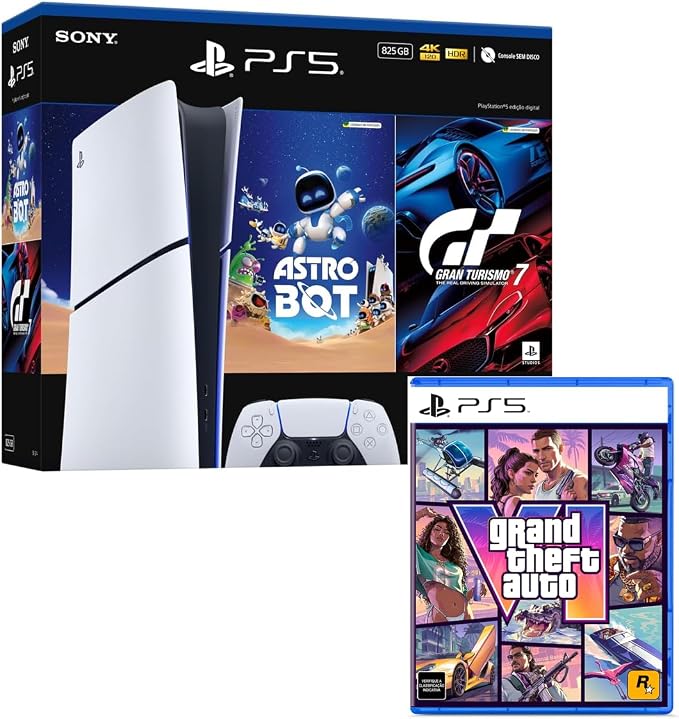
GTA 6 Announces Pre-Orders and Reveals the Official Cover of Rockstar’s Next Game

The announcement of the GTA 6 pre-order alongside the reveal of the official cover quickly dominated social media and once again placed the entire gaming industry watching Rockstar's next move.


Among reactions, theories, comparisons with previous games, and millions of players discussing every revealed detail, it became clear that Grand Theft Auto VI has already moved beyond being a simple game release and returned to the status of a cultural phenomenon.

With pre-orders opening and the official artwork now revealed, Rockstar officially begins the final stage of promotion for what many already consider the most anticipated game of the generation. And judging by the initial public reaction, expectations continue to grow.


What the announcement of GTA 6 pre-orders means

Historically, Rockstar releases tend to become global events — and with Grand Theft Auto VI, everything suggests that will happen again. Players have already started countdowns, cover analysis, and theories about hidden details within the promotional materials.

This reinforces a growing trend across the industry: today, major releases depend as much on community strength as they do on traditional marketing campaigns.


And GTA 6 seems ready to push this phenomenon even further.

With the cover revealed and pre-orders officially announced, Rockstar has officially started the countdown to one of the most important game launches in recent gaming history. Now players wait for more details and to discover the true scale of the next chapter of Grand Theft Auto.

Are you excited for the next Rockstar release? Leave your thoughts in the comments.

GTA 6 anuncia pré-venda e revela capa oficial do próximo jogo da Rockstar

O anúncio da pré-venda de GTA 6 junto da revelação da capa oficial rapidamente dominou as redes sociais e colocou novamente toda a indústria dos games para observar o próximo passo da Rockstar.


Entre reações, teorias, comparações com jogos anteriores e milhões de jogadores comentando cada detalhe divulgado, ficou evidente que Grand Theft Auto VI já ultrapassou o estágio de simples lançamento e voltou a ocupar o espaço de fenômeno cultural.

Com a abertura da pré-venda e a divulgação da arte oficial, a Rockstar inicia oficialmente a etapa final de divulgação daquele que já é considerado por muitos o jogo mais aguardado da geração. E observando a reação inicial do público, as expectativas continuam crescendo.


O que significa o anúncio da pré-venda de GTA 6

Historicamente, lançamentos da Rockstar costumam se transformar em eventos globais — e com Grand Theft Auto VI, tudo indica que isso acontecerá novamente. Jogadores já iniciaram contagens regressivas, análises da capa e teorias sobre elementos escondidos nos materiais promocionais.

Isso reforça uma tendência que vem crescendo na indústria: hoje grandes lançamentos dependem tanto da força da comunidade quanto das campanhas tradicionais de marketing.


E GTA 6 parece pronto para levar esse fenômeno ainda mais longe.

Com a capa revelada e a pré-venda oficialmente anunciada, a Rockstar iniciou oficialmente a contagem regressiva para um dos lançamentos mais importantes da história recente dos videogames. Agora resta aos jogadores aguardarem os próximos detalhes e descobrir o tamanho real do próximo capítulo de Grand Theft Auto. 

E você esta empolgado para o próximo lançamento da Rockstar? Deixe a sua opinião nos comentários.

quarta-feira, 17 de junho de 2026

Hiatus in Saint Seiya: Tenkai-hen Could Challenge the Hype Around the Return of Saint Seiya

The conclusion of the first phase of Saint Seiya: Tenkai-hen (Heaven Saga) ended up generating more discussion than many readers expected.

Even before the official release of chapter 6, some fans who gained early access to Weekly Shonen Champion 29/2026 began sharing information that quickly spread across the community: the manga would enter a hiatus after the end of this first stage.

Between comments, translations, theories, and discussions about the future of the series, the announcement completely shifted the focus of the conversation — moving away from the events of the chapter itself and toward what comes next.

According to information shared by readers of the magazine, the manga will return only during the next Japanese winter, which runs between December 2026 and February 2027.

In practice, depending on the exact return date for chapter 7, this could represent a hiatus of nearly six months.


A short first season could affect the community’s momentum

For many readers, six chapters represent a relatively small amount of content to sustain a continuous cycle of discussion and keep social media algorithms active for long.

Today, much of the impact surrounding manga and series depends on frequent releases, theories, page highlights, and continuous engagement. When a long break happens right at the beginning, part of that momentum naturally slows down.

Especially when we are talking about a project carrying the weight of the Saint Seiya name — a franchise that has gone through several popularity cycles over the years.

The reaction among readers who followed the magazine early showed just how quickly the hiatus became the community’s main topic of discussion.

Interestingly, looking at Saint Seiya’s history, perhaps the surprising part is not the existence of a hiatus — but how fans continue following the series even as the gaps between chapters grow.


But true Saint Seiya fans rarely abandon the series

At the same time, there is one factor that makes Saint Seiya: Tenkai-hen different from many modern releases. The Saint Seiya community is known for continuing to follow the franchise even during long periods without major releases.

Because of that, the real impact of this hiatus may not be losing longtime readers, but rather reducing the reach among newer readers who recently discovered the manga.

Those who have followed Saint Seiya for years will likely keep waiting for chapter 7 regardless.


Chapter 7’s return could define the future of the project

If the return comes alongside major reveals, a faster story pace, or a stronger promotional strategy, there is room for the hiatus to work as a way to build anticipation.

The responsibility changes now: chapter 7 does not only need to continue the story — it needs to prove that the wait was worth it.

Until then, the challenge for Saint Seiya: Tenkai-hen will be keeping the conversation alive among fans and turning only a handful of chapters into enough anticipation to sustain the return of Saint Seiya.

Pausa em Saint Seiya: Tenkai-hen pode desafiar o hype do retorno dos Cavaleiros do Zodíaco

O encerramento da primeira fase de Saint Seiya: Tenkai-hen (Saga do Céu) acabou gerando mais discussão do que muitos leitores esperavam. 

Antes mesmo do lançamento oficial do capítulo 6, parte dos fãs que tiveram acesso antecipado à edição da Weekly Shonen Champion 29/2026 começou a compartilhar uma informação que rapidamente tomou conta das comunidades: o mangá entraria em pausa após o encerramento desta primeira etapa.

Entre comentários, traduções, teorias e debates sobre o futuro da obra, o anúncio acabou mudando completamente o foco das conversas — que deixaram de discutir apenas os acontecimentos do capítulo e passaram a olhar para o que acontece depois dele.

Segundo as informações divulgadas pelos leitores da revista, o mangá retorna apenas durante o próximo inverno japonês, período que vai entre dezembro de 2026 e fevereiro de 2027.

Na prática, dependendo da data escolhida para o retorno do capítulo 7, isso pode representar uma pausa próxima de seis meses.


Uma primeira temporada curta pode impactar o ritmo da comunidade

Para muitos leitores, seis capítulos formam um volume relativamente pequeno para criar um ciclo constante de discussões e manter o algoritmo das redes sociais ativo por muito tempo.

Hoje, grande parte da repercussão de séries e mangás depende de publicações frequentes, teorias, cortes de páginas e engajamento contínuo. Quando existe uma pausa longa logo no começo, parte desse movimento naturalmente desacelera.

Ainda mais quando falamos de um projeto que carrega o peso do nome Cavaleiros do Zodíaco, uma franquia que já passou por diferentes fases de popularidade ao longo dos anos.

A própria repercussão entre leitores que acompanharam a revista antecipadamente mostrou como a pausa rapidamente virou o assunto principal dentro da comunidade.

O curioso é que, olhando para o histórico de Saint Seiya, talvez o mais surpreendente não seja a existência da pausa — mas o quanto os fãs continuam acompanhando mesmo quando os intervalos entre capítulos aumentam.


Mas os fãs de verdade de Saint Seiya dificilmente abandonam a obra

Ao mesmo tempo, existe um fator que diferencia Saint Seiya: Tenkai-hen de muitos lançamentos atuais. A comunidade de Cavaleiros do Zodíaco é conhecida por continuar acompanhando a franquia mesmo durante períodos longos sem grandes lançamentos.

Por isso, talvez o impacto real da pausa não esteja em perder leitores antigos, mas em diminuir o alcance para novos leitores que descobriram o mangá recentemente.

Quem acompanha Saint Seiya há anos provavelmente continuará esperando o capítulo 7 da mesma forma.


O retorno do capítulo 7 pode definir o futuro do projeto

Se o retorno vier acompanhado de revelações importantes, aumento no ritmo da história ou uma estratégia maior de divulgação, existe espaço para que a pausa funcione como construção de expectativa.

Agora a responsabilidade muda: o capítulo 7 não precisa apenas continuar a história — ele precisa provar que a espera valeu a pena. 

Até lá, o desafio de Saint Seiya: Tenkai-hen será manter viva a conversa entre os fãs e transformar poucos capítulos em expectativa suficiente para sustentar o retorno dos Cavaleiros do Zodíaco.

terça-feira, 16 de junho de 2026

Lucy and Rebecca in Wuthering Waves prove that collabs dominate gacha games

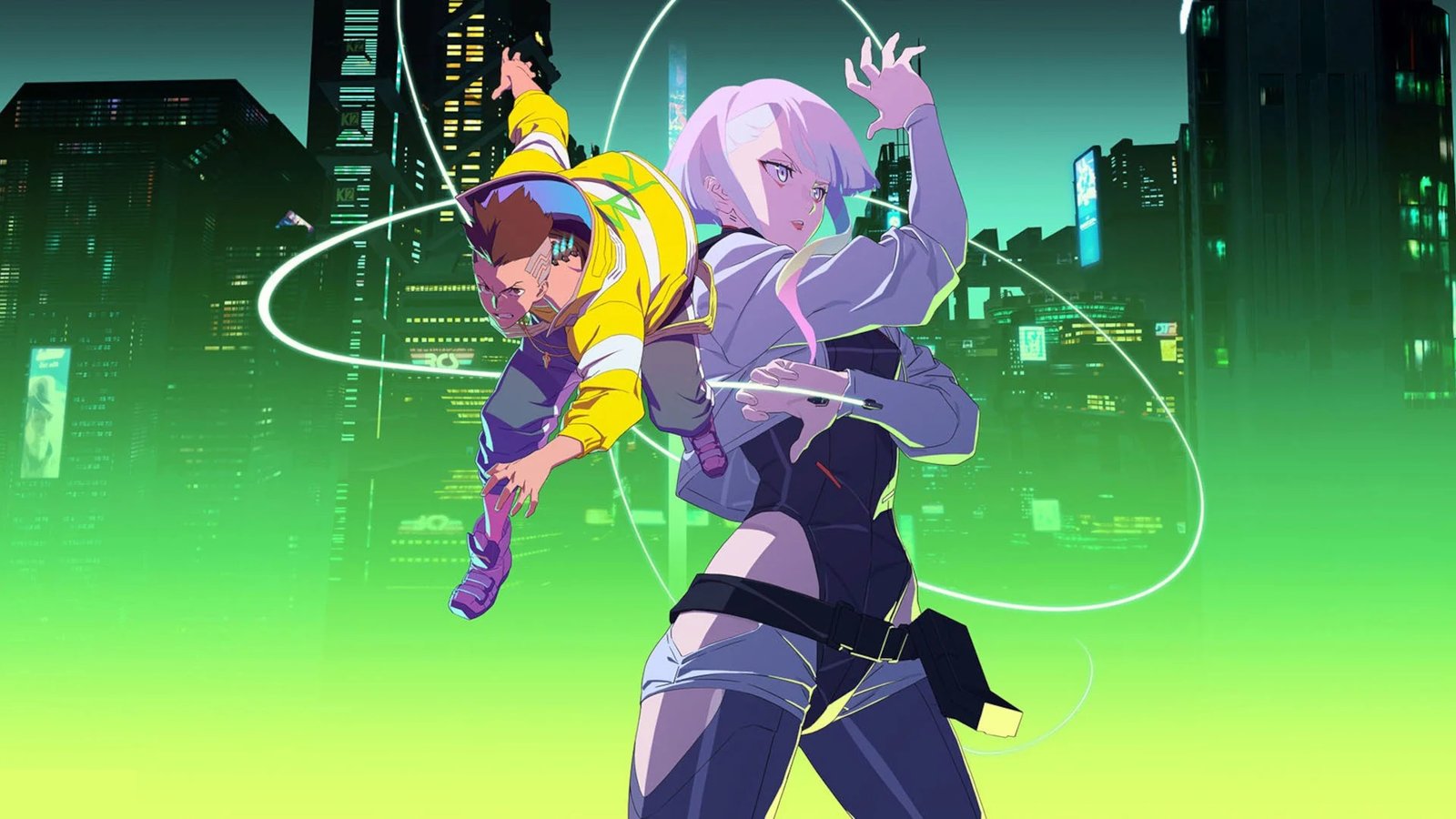
The arrival of Lucy and Rebecca in the universe of Wuthering Waves generated a wave of attention that quickly spread across social media, reignited discussions among players, and even caught the attention of people connected to the Cyberpunk universe. Between comments, fan art, memes, and the sheer amount of community interaction, the reaction seemed surprising even to part of the development side.

But looking at the current state of gacha games, perhaps the question is not why this happened. The question is: how could it not?

Over the past few years, collaborations have stopped being simple promotional events and have become one of the strongest tools for boosting live-service games. When a popular franchise enters a gacha game, it does not just bring characters — it brings an entire community.


The effect major anime collaborations create in games

When a collab happens, the outcome usually follows a pattern that has become familiar in the industry: returning players come back, newcomers decide to try the game, and the community creates an organic cycle of exposure that spreads across social media.

This happens because collaborations offer something traditional marketing struggles to recreate: the feeling of finally being able to interact with characters that previously only existed on screen.

Controlling familiar characters, building teams, and testing abilities directly inspired by popular series creates a powerful sense of collection and belonging — two elements that support much of the engagement behind gacha games.

That momentum naturally increases interest during the event and helps keep the community active until the next major update or collaboration.

Because of that, these events rarely end when they disappear from the game. They continue through videos, discussions, fan art, memes, and content created by players themselves, expanding the collaboration’s reach far beyond its official duration.

The response itself even caught the attention of people connected to the Cyberpunk universe, who commented on how impressed they were by the amount of fan art, cosplay, and community creations.

The interesting part is that, looking at recent gacha history, perhaps the surprising thing is not the collaboration’s success — but how this kind of reaction has become part of the natural cycle of these events.


It was not just Cyberpunk: other anime are following the same path

The phenomenon appears in other directions as well. The arrival of Solo Leveling characters in Grand Summoners reinforces how major franchises already understand the potential of this format. Instead of relying only on traditional advertising campaigns, brands are entering ecosystems that already have highly engaged players.

And this is not limited to guest anime collaborations. Today, there are entire gacha games built around established franchises because the market realized that community, visual identity, and attachment to characters have become central parts of the experience.


Collabs are no longer bonuses — they are strategy

Perhaps the most interesting part of all this is not seeing developers comment on the size of the public response.

The market has repeatedly shown that anime + gacha + popular characters tends to deliver results.

What remains impressive is the speed. A well-executed collaboration does not just sell new content. It creates a sense of occasion, brings communities together, and makes players feel like they are participating in something bigger than a normal update.

If collaborations were once simply a way to maintain interest, today they increasingly seem to be part of the main strategy. And after the response surrounding Lucy and Rebecca, it is difficult to believe this trend is slowing down.

Lucy e Rebeca em Wuthering Waves prova que collabs dominam os gachas

A chegada das personagens Lucy e Rebeca ao universo de Wuthering Waves gerou uma repercussão que rapidamente tomou conta das redes, reacendeu discussões entre jogadores e chamou atenção até de pessoas envolvidas com o universo de Cyberpunk. Entre comentários, artes, memes e o volume de interação da comunidade, a reação acabou parecendo surpreender até parte dos desenvolvedores.

Mas olhando para o cenário atual dos jogos gacha, talvez a pergunta não seja por que aconteceu. A pergunta é: como não aconteceria?

Nos últimos anos, as colaborações deixaram de ser apenas eventos promocionais e passaram a funcionar como uma das ferramentas mais poderosas para impulsionar jogos de serviço contínuo. Quando uma franquia popular entra em um gacha, ela não traz apenas personagens — ela carrega uma comunidade inteira.


O efeito que grandes animes criam nos jogos

Quando uma collab acontece, o efeito costuma seguir um ciclo que já virou padrão na indústria: jogadores antigos retornam, novos curiosos resolvem experimentar o jogo e a comunidade cria um movimento orgânico de divulgação que se espalha pelas redes.

Isso acontece porque colaborações oferecem algo que campanhas tradicionais dificilmente conseguem reproduzir: a sensação de finalmente poder interagir com personagens que antes existiam apenas na tela.

Controlar figuras conhecidas, montar equipes e testar habilidades inspiradas diretamente em obras populares desperta um forte sentimento de colecionismo e pertencimento — dois elementos que sustentam boa parte do engajamento dos jogos gacha.

Esse impulso naturalmente aumenta o interesse pelo jogo durante o evento e ajuda a manter a comunidade ativa até a próxima grande atualização ou colaboração.

Por isso, eventos desse tipo raramente terminam quando acabam dentro do jogo. Eles continuam existindo em forma de vídeos, discussões, fanarts, memes e conteúdo criado pelos próprios jogadores, ampliando o alcance da colaboração muito além do período oficial.

A própria repercussão chamou atenção de pessoas envolvidas com o universo de Cyberpunk, que comentaram como ficaram impressionadas com o volume de artes, cosplays e criações da comunidade.

O curioso é que, olhando para o histórico recente dos gachas, talvez o surpreendente não seja o sucesso da colaboração — mas o quanto esse tipo de reação já virou parte do ciclo natural desses eventos.


Não foi só Cyberpunk: outros animes seguem o mesmo caminho

O fenômeno também aparece em outras direções. A chegada de personagens de Solo Leveling em Grand Summoners reforça como grandes propriedades já entenderam o potencial desse formato. Em vez de criar apenas campanhas publicitárias, as marcas entram diretamente em ecossistemas que já possuem jogadores engajados.

E isso não acontece apenas com animes convidados. Hoje existem até jogos gacha construídos inteiramente em torno de franquias já estabelecidas, justamente porque o mercado percebeu que comunidade, identidade visual e apego aos personagens se tornaram parte central da experiência.


Collabs deixaram de ser bônus — agora são estratégia

Talvez o mais interessante em toda essa repercussão não seja ver desenvolvedores comentando o tamanho da resposta do público.

O mercado já mostrou diversas vezes que anime + gacha + personagens populares costuma gerar resultado. 

O que continua impressionando é a velocidade. Uma colaboração bem executada não vende apenas conteúdo novo. Ela cria sensação de evento, conversa entre comunidades diferentes e faz jogadores sentirem que estão participando de algo maior do que uma atualização comum.

Se antes collabs eram um extra para manter interesse, hoje elas parecem cada vez mais fazer parte do plano principal. E depois da repercussão envolvendo Lucy e Rebeca, fica difícil acreditar que essa tendência esteja desacelerando.

segunda-feira, 15 de junho de 2026

Are We Living Through a Bad Era for Video Games? Or Have AAA Games Become Too Expensive to Innovate?


Have video games really lost their creativity? We compare the 90s and 2000s with today's gaming industry to understand why remakes, sequels, and established franchises dominate major releases.


Are We Living Through a Bad Era for Video Games?

If you've been following recent gaming showcases and industry events, you may have noticed something strange.

New announcements keep appearing, trailers look more impressive than ever, graphics continue evolving — yet many of the biggest highlights still revolve around sequels, remakes, reboots, and the return of older franchises.

Product 1

Buy Now

The Legend of Zelda: Tears of the Kingdom Digital - Nintendo Switch 2

R$ 499,90

Buy
Product 2

Buy Now

Sonic X Shadow Generations - Nintendo Switch 2

R$ 207,90

Buy
Product 3

Buy Now

Nintendo, Mario Kart World Digital, Nintendo Switch 2

R$ 425,90

Buy

Not that this is necessarily a problem, since it reflects market demand — but it raises an important question: Are we living through a bad era for video games, or simply an era where innovation has become too expensive? Before answering that, it's worth looking back.


The 90s and Early 2000s: When Taking Risks Felt Normal

There is a reason why so many players feel nostalgic about this era.

Between the 1990s and the mid-2010s, the gaming industry was growing quickly, but development costs still allowed more room for experimentation.

It was during this period that some of gaming’s biggest franchises were born.

  • Doom

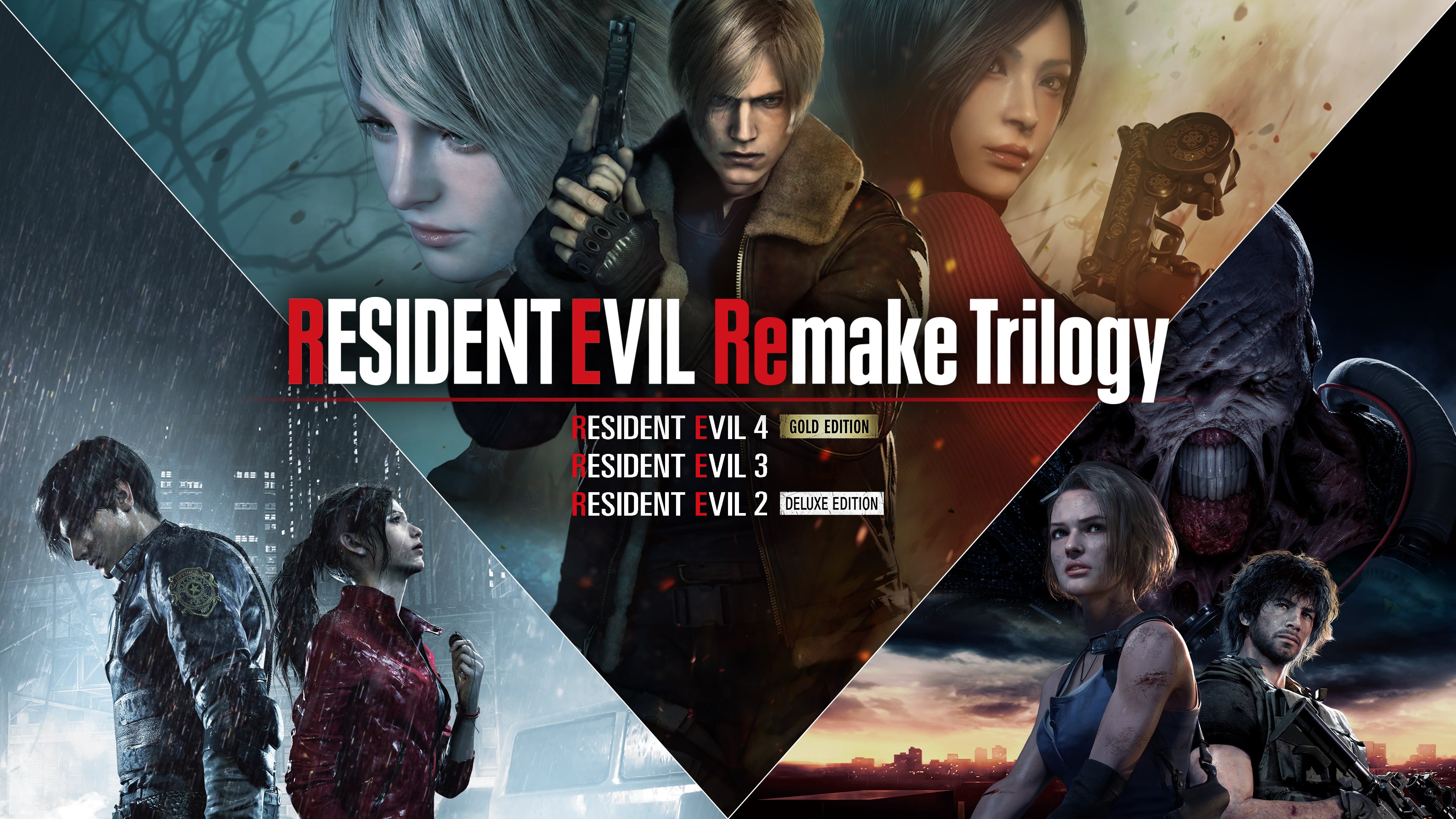
  • Resident Evil

  • Metal Gear Solid

  • Halo

  • God of War

  • Devil May Cry

  • Kingdom Hearts

  • BioShock

  • Assassin’s Creed

  • Portal

  • Dead Space

  • Mass Effect

  • Uncharted

And here’s the important detail:

Back then, these franchises were risky bets.

There was no guarantee they would succeed. So why were they made?


Why Was There More Room for Innovation?

1. Lower Development Costs

Making a major game still required investment, but smaller teams could compete. Developers could test new ideas without risking hundreds of millions of dollars.


2. Constant Technological Leaps

Each generation introduced major changes:

  • 2D → 3D

  • CD → DVD

  • Internet-enabled consoles

  • Advanced physics systems

  • Open worlds

Simply having new technology created opportunities for entirely new genres.


3. Less Dependence on Marketing

Today, launching a global game requires massive campaigns. Back then, many games grew through magazines, rental stores, and word of mouth.


So Are Modern Games Really Less Creative?

Not exactly. Today we live in an interesting paradox: Never have so many games been released — yet most of the audience’s attention remains focused on the same names.

And maybe that is exactly why many of the games considered the most creative today come from independent studios.

With smaller budgets and less pressure to sell millions of copies, these teams can take more risks, experiment with mechanics, and explore ideas that would rarely be approved in large-scale productions.

It is also worth remembering that game development has become more accessible than in the past.

Today there are tools that make development faster and easier:

  • engines focused on specific genres, such as RPG Maker for RPGs;
  • tools designed for visual novels;
  • robust and versatile engines such as Unity and Unreal;
  • as well as proprietary engines created by major studios.

This has allowed small teams to create increasingly ambitious projects.

Meanwhile, large companies operate under a different logic:

  • reducing financial risks;
  • working with longer development cycles;
  • maintaining huge teams;
  • delivering predictable results to investors.

The result?

More sequels. More remakes. More familiar franchises.


The Problem with Modern AAA Games: When Innovation Became a Financial Risk

Imagine presenting two ideas.

  • Project A:

“An experimental new franchise.”

  • Project B:

“A sequel to a series that already sold millions.”

Which one seems safer?

This logic helps explain why we increasingly see:

  • remakes;
  • remasters;
  • reboots;
  • shared universes;
  • live service games;
  • franchise expansion.

This does not necessarily mean a lack of creativity. It means the margin for error has become smaller.

However, there is a concern that comes with this shift. With the constant pressure to maximize profits and reduce risk, some major releases can feel less driven by a creative vision and more guided by strategy, market analysis, and predictable outcomes.

Not because developers stopped loving games — thousands of artists, programmers, and designers still pour passion into their work — but because in massive productions, business decisions carry much more weight than before.

The result can be games designed to reach the widest possible audience, maximize retention, and reduce the chance of commercial failure.

And this is where some players begin to notice a change: it is not necessarily a lack of technical quality, budget, or content — but sometimes a feeling that something is missing.

Identity. Bold ideas. That feeling that a game is trying to surprise you. Maybe the problem is not that games stopped being made by people who love games. Maybe those people simply have less room to take risks.


So Where Is Innovation Today?

But that does not mean we are living through a bad era for video games or a creativity crisis. Maybe the difference is that the people responsible for innovation are no longer the biggest companies in the industry.

Companies such as Capcom, Square Enix, and Ubisoft spent decades building strong franchises and today tend to invest more in expanding universes that already proved their value.

Meanwhile, much of the experimentation has moved to smaller studios: Independent Developers. Maybe creativity has not decreased. Maybe it simply changed its address.


AA Studios

Mid-sized productions often manage to balance budget and creativity. We have seen this happen with projects that gained attention not because of huge budgets, but because they delivered memorable experiences and stronger creative identity.


New Global Development Hubs

China, South Korea, and other regions have started competing for creative space in the gaming industry.

This growth of new development hubs makes the market more competitive and, in many cases, pushes innovation even further.


Conclusion: We Are Not Living in a Bad Era — We Are Living in a More Cautious One

The gaming industry produces more games than ever before. But major releases often feel less risky because the cost of failure has become significantly higher.

The real question may not be:

“Why don’t games innovate anymore?”

But rather:

“Why do we expect only the industry giants to be responsible for innovation?”

Large companies operate differently today than they did decades ago — development is more expensive, competition is stronger, and success depends more than ever on predictable results.

But that does not mean video games are going through a bad period. In practice, players have never had so many options. If you are looking for bold, experimental, or unusual experiences, you will probably find them among indie studios, smaller productions, and emerging developers.

If you prefer cinematic productions, established franchises, or revisiting classics through remakes — and there is nothing wrong with that — there is also more content available than ever.

After all, projects such as the possible return of classics like Zelda: Ocarina of Time show that nostalgia can coexist with quality and introduce those experiences to a new generation.

Maybe creativity has not disappeared. Maybe it simply stopped occupying the center stage and started appearing in different places.

And what do you think? Are we living through a less creative era of gaming, or simply a moment where innovation changed hands? Leave your opinion in the comments.

Estamos vivendo uma época ruim para os videogames? Ou os AAA ficaram caros demais para inovar?

Os videogames realmente perderam criatividade? Comparamos os anos 90 e 2000 com a indústria atual para entender por que remakes, continuações e franquias dominam os grandes lançamentos.


Será que estamos vivendo uma época ruim para os videogames?

Se você assistiu aos eventos recentes da indústria, talvez tenha sentido algo estranho. Novos anúncios surgem, trailers impressionam, gráficos evoluem, mas muitos dos maiores destaques continuam sendo sequências, remakes, reboots ou retornos de franquias antigas

Produto 1

Compre agora

The Legend of Zelda: Tears of the Kingdom Digital - Nintendo Switch 2

R$ 499,90

Comprar
Produto 2

Compre agora

Sonic X Shadow Generations - Nintendo Switch 2

R$ 207,90

Comprar
Produto 3

Compre agora

Nintendo, Jogo, Mario Kart World Digital, Nintendo Switch 2

R$ 425,90

Comprar

Não que necessariamente isso seja um problema, considerando que tratasse de uma demanda de mercado, porém isso levanta uma pergunta: estamos vivendo uma época ruim para os videogames, ou apenas uma época em que inovar ficou caro demais? Antes de responder, vale olhar para trás.


Os anos 90 e início dos anos 2000: quando arriscar parecia normal

Existe uma razão para tanta nostalgia dessa época. Entre os anos 90 e meados de 2010, a indústria crescia rápido, mas os custos ainda permitiam experimentação.

Foi justamente nesse período que nasceram franquias gigantes.

  • Doom

  • Resident Evil

  • Metal Gear Solid

  • Halo

  • God of War

  • Devil May Cry

  • Kingdom Hearts

  • Bioshock

  • Assassin's Creed

  • Portal

  • Dead Space

  • Mass Effect

  • Uncharted

O detalhe importante: na época, essas franquias eram apostas. Não existia garantia de sucesso, então porque foram feitas?


Por que havia mais espaço para inovação?

1. Custos menores

Produzir um grande jogo ainda exigia investimento, mas equipes menores conseguiam competir. Era possível testar ideias novas sem colocar centenas de milhões em risco.


2. Saltos tecnológicos constantes

Cada geração trazia mudanças enormes:

  • 2D → 3D

  • CD → DVD

  • internet nos consoles

  • física avançada

  • mundo aberto

Só existir tecnologia nova já criava espaço para novos gêneros.


3. Menor dependência de marketing

Hoje um lançamento global exige campanhas gigantes. Antigamente muitos jogos cresciam por revista, locadora e boca a boca.


Então os jogos atuais são realmente menos criativos?

Não exatamente. Hoje existe um paradoxo curioso: Nunca tivemos tantos jogos sendo lançados — mas a atenção do público continua concentrada nos mesmos nomes. E talvez seja justamente por isso que muitos dos jogos considerados mais criativos atualmente venham de estúdios independentes.

Com orçamentos menores e menos pressão para vender milhões de cópias, essas equipes conseguem arriscar mais, testar mecânicas novas e explorar ideias que dificilmente seriam aprovadas em grandes produções. Também vale lembrar que criar jogos ficou mais acessível do que no passado.

Hoje existem ferramentas que aceleram e facilitam o desenvolvimento:

  • engines focadas em gêneros específicos, como RPG Maker para RPGs;
  • ferramentas para visual novels;
  • engines robustas e versáteis como Unity e Unreal;
  • além das engines próprias dos grandes estúdios.

Isso permitiu que equipes pequenas produzissem jogos cada vez mais ambiciosos.

Enquanto isso, as grandes empresas seguem uma lógica diferente:

  • diminuem riscos;
  • trabalham com ciclos de desenvolvimento maiores;
  • mantêm equipes enormes;
  • precisam entregar resultados previsíveis para investidores.

O resultado? Mais continuações. Mais remakes. Mais franquias já conhecidas. 


O problema dos AAA modernos: quando inovar virou um risco financeiro

Imagine apresentar duas ideias.

  • Projeto A:

“Nova franquia experimental.”

  • Projeto B:

“Continuação de uma série que já vendeu milhões.”

Qual parece mais segura? Essa lógica ajuda a explicar por que vemos cada vez mais:

  • remakes;
  • remasters;
  • reboots;
  • universos compartilhados;
  • jogos como serviço (live service);
  • expansão de franquias.

Isso não significa necessariamente uma falta de criatividade. Significa que a margem para erro diminuiu. Entretanto, existe um ponto que pode ser preocupante nesse cenário.

Com a pressão constante para otimizar lucros e reduzir riscos, alguns grandes lançamentos acabam transmitindo a sensação de que deixaram de ser guiados principalmente por uma visão criativa para serem guiados por decisões estratégicas e previsões de mercado.

Não porque os desenvolvedores tenham deixado de gostar de videogames — afinal, milhares de artistas, programadores e designers continuam colocando paixão nesses projetos — mas porque, em produções gigantescas, decisões corporativas passaram a ter um peso muito maior.

O resultado pode ser jogos construídos para alcançar o maior público possível, maximizar retenção e reduzir chances de fracasso comercial. E é nesse ponto que parte dos jogadores começa a sentir uma mudança: não necessariamente falta qualidade técnica, orçamento ou conteúdo, mas às vezes parece faltar identidade, ousadia ou aquela sensação de que o jogo está tentando apresentar algo realmente novo.

Talvez o problema não seja que os jogos tenham deixado de ser feitos por pessoas que amam videogames. Talvez seja que, em alguns casos, essas pessoas tenham cada vez menos espaço para assumir riscos.


Mas então onde está a inovação?

Mas isso não significa que estamos vivendo uma época ruim ou uma crise de criatividade nos videogames. Talvez a diferença seja que os responsáveis por inovar já não sejam mais os gigantes da indústria. 

Empresas como Capcom, Square Enix e Ubisoft passaram décadas construindo franquias fortes e hoje tendem a investir mais em expandir universos que já provaram seu valor. Enquanto isso, boa parte da experimentação migrou para estúdios menores: os Estúdios Independentes. Talvez a criatividade não tenha diminuído. Talvez ela apenas tenha mudado de endereço.


Estúdios AA

Produções médias conseguem equilibrar orçamento e criatividade. Como vimos com Silksong e Hollow Night.


Novos polos globais

China, Coreia e outros mercados começaram a disputar espaço criativo. E essa ascensão de outros polos de desenvolvimento torna o mercado mais competitivo e consequentemente mais inovador.


Conclusão: não estamos em uma era ruim — estamos em uma era mais cautelosa

A indústria atual produz mais jogos do que nunca. Mas os grandes lançamentos parecem menos arriscados porque o custo para falhar aumentou.

A verdadeira pergunta talvez não seja: “Por que os jogos não inovam mais?”, e sim: “Por que esperamos que apenas os gigantes da indústria sejam responsáveis pela inovação?”

O mercado das grandes empresas hoje funciona de forma diferente de décadas atrás — mais caro, mais competitivo e muito mais dependente de resultados previsíveis. Mas isso não significa que os videogames estejam vivendo uma era ruim.

Na prática, nunca existiram tantas opções. Se você procura experiências mais ousadas, experimentais ou diferentes, provavelmente vai encontrar isso em estúdios independentes, produções menores ou novos desenvolvedores ganhando espaço.

Se prefere grandes produções cinematográficas, franquias consolidadas ou até revisitar clássicos através de remakes — e não há nada de errado nisso — também existe muito conteúdo sendo produzido. Afinal, jogos como o possível retorno de clássicos como Zelda: Ocarina of Time mostram que nostalgia também pode coexistir com qualidade e apresentar essas experiências para uma nova geração.

Talvez a criatividade não tenha desaparecido. Talvez ela apenas tenha deixado de ocupar o centro dos grandes palcos e começado a surgir em lugares diferentes.

E você, o que acha? Estamos vivendo uma época menos criativa nos videogames ou apenas uma fase em que a inovação mudou de mãos? Deixe sua opinião nos comentários.

sexta-feira, 12 de junho de 2026

Concept Art – Aiko Meiko, the “Flashing Cat”

Hey everyone! This time I want to share with you the concept art of the character Aiko Meiko, a feline-looking warrior who combines extreme speed with unexpected destructive power.

Known by the title “Flashing Cat”, Meiko wields the Sword of Light, a colossal blade capable of emitting intense flashes with every strike. In combat, she uses all of her agility to vanish from her opponents’ sight and launch fast, precise attacks without leaving any trace of where the strike originated.

Visually, Aiko was designed to create a striking contrast: despite appearing as a young girl with feline traits, her oversized weapon gives her an unexpected sense of power. This contrast between appearance and capability reinforces one of the character’s core concepts — speed over apparent brute strength.

During the development process, several silhouette variations were explored to find a visual identity that felt both dynamic and memorable. After that stage, clothing studies were created by testing different styles until a more modern look proved to fit the character’s personality and overall concept.

The final design aimed to balance three main elements:

  • Agility and lightness through body silhouette;
  • Visual impact by using an oversized sword compared to the character’s size;
  • A striking identity based on light, movement, and precision.

Aiko Meiko represents the idea that power does not always come from appearance — sometimes it appears only as a flash… and by the time you realize it, the battle is already over.

Did you enjoy the concept? Share your thoughts and tell me which details of the design caught your attention the most!

Concept Art – Aiko Meiko, a “Flashing Cat”

Fala, pessoal! Desta vez quero compartilhar com vocês o concept art da personagem Aiko Meiko, uma guerreira de aparência felina que combina velocidade extrema com um poder destrutivo inesperado.

Conhecida pelo título de “Flashing Cat”, Meiko empunha a Montante da Luz, uma espada colossal capaz de emitir intensos flashes luminosos a cada golpe. Em combate, ela utiliza toda a sua agilidade para desaparecer do campo de visão dos oponentes e surgir em ataques rápidos e precisos, sem deixar qualquer vestígio de onde veio o golpe.

Visualmente, Aiko foi desenvolvida para transmitir um contraste marcante: apesar de possuir a aparência de uma jovem garota com características de gato, sua arma gigante cria uma sensação de força inesperada. Essa diferença entre aparência e capacidade física reforça um dos pilares do conceito da personagem — velocidade acima da força bruta aparente.

Durante o desenvolvimento do projeto, foram exploradas diversas variações de silhueta para encontrar uma identidade visual que fosse ao mesmo tempo dinâmica e memorável. Depois dessa etapa, seguimos para estudos de vestimenta, experimentando diferentes estilos até chegar em um visual mais moderno, que se encaixou melhor na personalidade e na proposta geral da personagem.

O design final buscou equilibrar três elementos principais:

  • Agilidade e leveza através da silhueta corporal;
  • Impacto visual usando uma espada desproporcional ao tamanho da personagem;
  • Identidade marcante baseada em luz, movimento e precisão.

Aiko Meiko representa a ideia de que poder nem sempre vem da aparência — às vezes ele aparece apenas como um clarão… e quando você percebe, a batalha já terminou.

Gostaram do conceito? Compartilhem o que acharam e me contem quais detalhes do design mais chamaram atenção!

quarta-feira, 10 de junho de 2026

Zeno vs Brago in Zatch Bell: Who Would Win This Battle?

Among all the battles that never happened in Zatch Bell, few spark as much curiosity as Zeno vs Brago.

Both characters have always been portrayed as some of the strongest mamodos in the series, defeating opponents with ease and appearing almost unbeatable at different moments. But if this battle had actually happened… who would win? To answer that, we’ll mainly consider what was shown in the anime.


1. Raw Strength and Destructive Power

When it comes to pure power, both are impressive.

  • Brago

Brago fights using his famous gravity spells, capable of crushing and controlling the battlefield. On top of that, physically he appears to be one of the strongest mamodos in the series. His presence in battle always conveys superiority.

  • Zeno

Zeno follows a different path. His electric spells are fast, precise, and extremely destructive. Unlike Zatch, he kept his memories from the Mamodo World, making him far more experienced and strategic. Another interesting detail: throughout the series, Zeno never showed fear toward Brago, suggesting he believed he had real chances of winning.

Although Brago seems to possess greater physical strength, Zeno demonstrates a broader and more advanced spell arsenal.

This section ends up being almost a technical draw between the two.


2. Human Partners — The Factor That Changes Everything

This is where things become more difficult for Brago.

  • Sherry

Sherry is an excellent partner and shares a strong connection with Brago, contributing greatly to his growth. However, throughout different moments in the story, she also placed Brago in difficult situations due to moments of weakness and trauma tied to her past.


  • Dufort

Dufort is a completely different case. Thanks to Answer Talker, he has the ability to analyze any situation and find the most efficient solution to overcome obstacles and win battles. This ability makes Dufort much more than just a partner: he becomes Zeno’s greatest strategic weapon.

Throughout the series, Dufort demonstrates the ability to predict movements, identify weaknesses, and choose the ideal moment to attack or defend, minimizing mistakes and energy waste. Because of this, many fans consider him, alongside Kiyo, to be among the the most powerful human partners in Zatch Bell.

This combination of Zeno’s immense power and Dufort’s analytical ability gives the duo a massive advantage in strategy, adaptation, and decision-making during battle , making them relatively stronger than the combination of Sherry and Brago.


3. Anime or Manga?

This difference completely changes the result. If we consider only the anime: The fight would be extremely balanced. Brago would have the advantage in raw power. Zeno would have speed, technique, and Dufort.

Likely result:

Brago 40% × 60% Zeno, with this small difference mainly caused by Dufort’s presence in battle, since in terms of raw power, techniques, and spells, both are extremely powerful and relatively close.

If we consider the manga

Brago awakens the Shin spells, the highest level of power a mamodo can reach. Since Zeno never showed that same level of evolution, Brago ends up clearly surpassing him.


Result:

Brago wins with ease.

The Shin spells place Brago on an entirely different level of power, making the fight heavily one-sided. Even with Dufort and Answer Talker, the power gap would simply be too large to overcome through strategy alone. Additionally, Sherry goes through intense training to prepare for fighting Clear, showing how much both she and Brago evolve by the end of the manga. Because of that, Brago would hold a clear advantage overall.


Conclusion

In the anime, Zeno vs Brago would probably be one of the most competitive battles in Zatch Bell.

Brago dominates in raw strength and endurance. Zeno makes up for it with intelligence, speed, and Dufort’s incredible support.

However, once we consider the manga, Brago’s final growth places him on another level and turns him into the clear favorite.


And you, who do you think would win this fight? What other battle that never happened in the anime would you like to see analyzed here? Leave your opinion in the comments!

Zeno vs Brago em Zatch Bell: Quem venceria a batalha mais aguardada pelos fãs?

Entre todas as lutas que nunca aconteceram em Zatch Bell, poucas despertam tanta curiosidade quanto Zeno vs Brago

Os dois sempre foram apresentados como alguns dos mamodos mais poderosos da série, vencendo adversários com facilidade e parecendo quase imbatíveis em vários momentos. Mas se essa luta realmente tivesse acontecido… quem sairia vencedor? Para responder isso, vamos considerar principalmente o que foi mostrado no anime.


1. Força bruta e poder destrutivo

Quando o assunto é poder puro, os dois impressionam.

  • Brago

Brago luta usando suas famosas magias gravitacionais, capazes de esmagar e controlar o campo de batalha. Além disso, fisicamente ele parece ser um dos mamodos mais fortes da obra. Sua presença em combate sempre transmite superioridade.

  • Zeno

Zeno segue outro caminho, suas magias elétricas são rápidas, precisas e extremamente destrutivas. Diferente do Zatch, ele manteve suas memórias do Mundo Mamodo, o que o torna muito mais experiente e estratégico. Outro detalhe curioso: durante toda a série, Zeno nunca demonstrou medo do Brago, sugerindo que acreditava ter chances reais de vitória. 

Embora Brago aparenta ter uma força bruta superior, em termos físicos, Zeno mostra ter um repertório de magias superiores, aparentando ter avançado mais as suas técnicas. 

Nessa seção existe praticamente um empate técnico entre ambos. 


2. Parceiros humanos — o ponto que muda tudo

Aqui o cenário fica mais complicado para o Brago.

  • Sherry

Sherry é uma ótima parceira e possui uma conexão forte com Brago, ajudando bastante no crescimento dele. Entretanto, em diversos momentos da obra, a própria colocou o Brago em situações complicadas, por demonstrar fraqueza e traumas ligados ao seu passado.


  • Dufort

Dufort é um caso completamente diferente, graças ao Answer Talker, ele possui a capacidade de analisar qualquer situação e encontrar a solução mais eficiente para superar obstáculos e vencer batalhas. Essa habilidade transforma Dufort em muito mais do que apenas um parceiro: ele se torna a principal arma estratégica do Zeno.

Ao longo da série, Dufort demonstra prever movimentos, identificar pontos fracos e escolher o momento ideal para atacar ou defender, reduzindo ao máximo erros e desperdício de energia. Por isso, muitos fãs consideram que, ao lado de Kiyo, ele está entre os humanos mais poderosos de Zatch Bell.

Essa combinação entre o enorme poder do Zeno e a capacidade analítica do Dufort dá à dupla uma vantagem gigantesca em estratégia, adaptação e tomada de decisão durante o combate, superando relativamente fácil da combinação de Sherry e Brago.


3. Anime ou mangá?

Essa diferença muda completamente o resultado. Se for apenas o anime A luta seria muito equilibrada. Brago teria vantagem em força. Zeno teria velocidade, técnica e Dufort. 

Resultado provável:

Brago 40% × 60% do Zeno, sendo essa diferença leve, causada especialmente pela presença do Dufort no combate, uma vez que em poder bruto, técnicas e magias eles são muito poderosos e relativamente próximos.

Se considerarmos o mangá

Brago desperta as magias Shin, o nível mais alto de poder dos mamodos. Como Zeno nunca mostrou esse mesmo avanço, Brago acaba ficando acima com facilidade.


Resultado:

Vitória do Brago com facilidade. 

As magias Shin colocam Brago em um nível de poder muito acima, tornando a luta bem desequilibrada. Mesmo com o Dufort e o Answer Talker, a diferença de força seria grande demais para ser compensada apenas com estratégia. Além disso, Sherry passa por um treinamento pesado para enfrentar o Clear, o que mostra o alto nível de evolução da dupla Brago e Sherry. Por isso, no geral, Brago teria uma vantagem clara nessa luta.


Conclusão

No anime, Zeno vs Brago seria provavelmente uma das batalhas mais disputadas de Zatch Bell. Brago domina na força e resistência. Zeno compensa com inteligência, velocidade e o apoio absurdo do Dufort. Já no mangá, o crescimento final do Brago coloca ele como favorito.

E você, quem acha que venceria essa luta? Qual outro confronto que nunca aconteceu no anime você gostaria de ver analisado aqui? Deixe sua opinião nos comentários!