quarta-feira, 30 de setembro de 2026

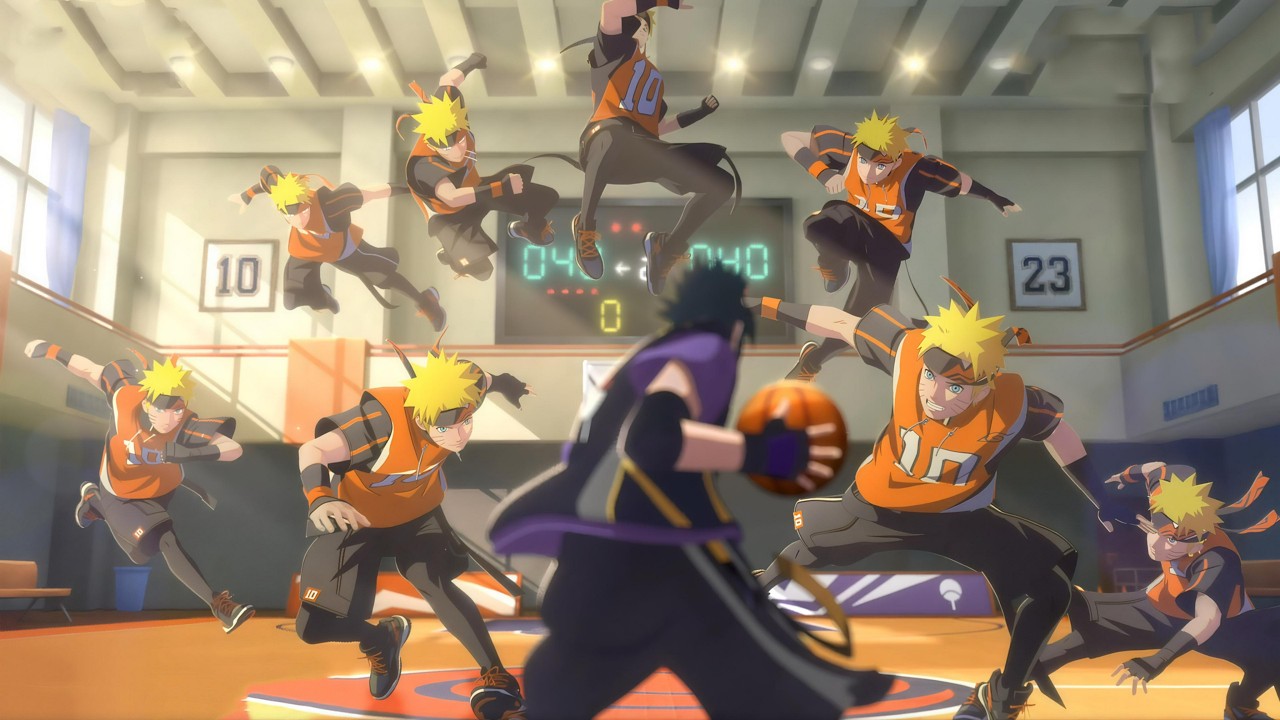
Naruto and Sasuke Face Off in Basketball in Naruto Mobile


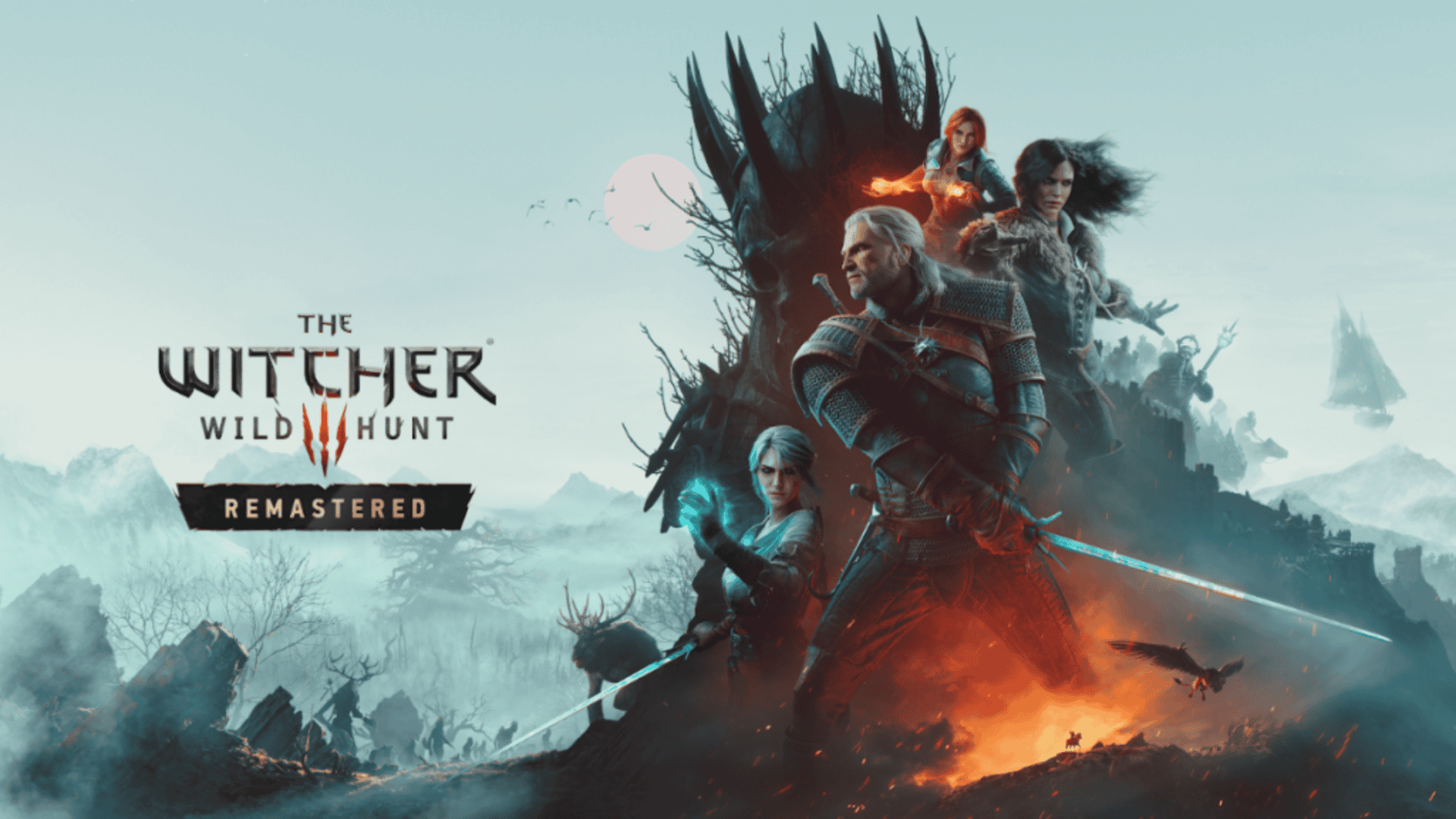
The Witcher 3 Wild Hunt Remastered - CD Projekt Red

Naruto and Sasuke are back at it again, but this time their rivalry has moved away from the ninja world and onto the basketball court. A new promotional animation for Naruto Mobile introduces Sasuke as a basketball star, turning one of anime's most famous rivalries into an unexpected sports showdown.


Naruto and Sasuke Play Basketball

The new CGI trailer features Naruto vs. Sasuke in a basketball match, with both characters using their signature abilities during the game. Naruto relies on his Shadow Clones, while Sasuke uses his Sharingan to keep up with his opponent. The match eventually turns into a spectacular combination of basketball and ninja techniques, including Sasuke transforming the ball into a Chidori before finishing the play.

Despite looking like a crossover with a basketball anime such as Slam Dunk, the animation is actually part of the promotion for Naruto Mobile's new A-Rank character, Sasuke [Basketball Star]. The character was introduced alongside a special event that began on September 29, 2026, allowing players to obtain him through in-game missions.


What Is Naruto Mobile?

Naruto Mobile is a free-to-play mobile action fighting game based on the Naruto and Naruto Shippuden franchises. Developed for the Chinese market, the game features a large roster of ninjas and regularly introduces new versions of familiar characters with different abilities and themes.

The basketball-themed Sasuke is another example of how the game can reinterpret established characters outside their traditional roles. The new promotional short keeps the personalities and abilities of Naruto and Sasuke recognizable while placing them in a completely different setting.


An Unexpected Naruto Crossover

Rather than being an official collaboration with an existing basketball franchise, the project works as a Naruto Mobile reinterpretation of the characters. That makes the trailer particularly unusual: it combines the visual language of a sports anime with the spectacular action and abilities normally associated with Naruto.

For fans, it is another creative way to revisit the legendary rivalry between Naruto and Sasuke—this time without another battle at the Valley of the End, but with a basketball, a Sharingan and a Chidori-powered dunk.

Naruto e Sasuke se Enfrentam no Basquete em Naruto Mobile


Naruto Mobile - Naruto e Sasuke jogando basquete

Naruto e Sasuke estão de volta, mas desta vez sua rivalidade deixou o mundo ninja de lado e foi parar na quadra de basquete. Uma nova animação promocional de Naruto Mobile apresenta Sasuke como uma estrela do basquete, transformando uma das rivalidades mais famosas dos animes em um inesperado confronto esportivo.


Naruto e Sasuke Jogam Basquete

O novo trailer em CGI apresenta Naruto vs. Sasuke em uma partida de basquete, com os dois personagens utilizando suas habilidades características durante o jogo. Naruto conta com seus Clones das Sombras, enquanto Sasuke usa seu Sharingan para acompanhar os movimentos do adversário. A partida acaba se transformando em uma combinação espetacular de basquete e técnicas ninja, incluindo Sasuke transformando a bola em um Chidori antes de finalizar a jogada.

Apesar de parecer uma colaboração com um anime de basquete como Slam Dunk, a animação faz parte da divulgação do novo personagem de Rank A de Naruto Mobile, Sasuke [Basketball Star]. O personagem foi apresentado junto com um evento especial que começou em 29 de setembro de 2026, permitindo que os jogadores o obtenham por meio de missões dentro do jogo.


O Que é Naruto Mobile?

Naruto Mobile é um jogo mobile gratuito de ação e luta baseado nas franquias Naruto e Naruto Shippuden. Desenvolvido para o mercado chinês, o jogo apresenta um grande elenco de ninjas e recebe regularmente novas versões de personagens conhecidos, com diferentes habilidades e temas.

O Sasuke com temática de basquete é mais um exemplo de como o jogo pode reinterpretar personagens conhecidos fora de seus papéis tradicionais. O novo curta promocional mantém as personalidades e habilidades de Naruto e Sasuke reconhecíveis, enquanto os coloca em um cenário completamente diferente.


Uma Colaboração Inesperada com Naruto

Em vez de ser uma colaboração oficial com uma franquia de basquete existente, o projeto funciona como uma releitura dos personagens dentro de Naruto Mobile. Isso torna o trailer particularmente inusitado: ele combina a linguagem visual dos animes esportivos com a ação espetacular e as habilidades normalmente associadas a Naruto.

Para os fãs, é mais uma maneira criativa de revisitar a lendária rivalidade entre Naruto e Sasuke — desta vez sem outra batalha no Vale do Fim, mas com uma bola de basquete, um Sharingan e uma enterrada impulsionada por um Chidori.

terça-feira, 29 de setembro de 2026

The Witcher 3 Remastered Arrives Today with Major Improvements


The Witcher 3 Wild Hunt Remastered - CD Projekt Red

The Witcher 3: Wild Hunt – Remastered is now available. CD PROJEKT RED released the new version of the acclaimed RPG this Tuesday, September 29, 2026, bringing graphical, performance, and gameplay improvements to one of the most important adventures in gaming history.

The Witcher 3: Wild Hunt
Release year: 2015
Developer: CD PROJEKT RED
Platforms: PC / PlayStation 4 / Xbox One / Nintendo Switch / PlayStation 5 / Xbox Series X|S / Nintendo Switch 2

A New Version for Geralt of Rivia

The Witcher 3 Remastered updates Geralt of Rivia's adventure with improvements to lighting, textures, vegetation, visual effects, and performance. On PC, the version also features Path Tracing for compatible systems.

The changes also extend to gameplay, including improvements to combat, movement, animations, monster behavior, and the skill system. The game has also received additional features, such as transmog and improvements to photo mode.


Free Upgrade

One of the main features of the release is that the Remastered version is available for free to players who already own The Witcher 3 on eligible platforms. The update also includes the Hearts of Stone and Blood and Wine expansions for players who own the respective versions of the game.

On Nintendo Switch 2, players who own the original Nintendo Switch version can also upgrade to the new edition at no additional cost.


A Decade Later

Originally released in 2015, The Witcher 3: Wild Hunt continues to receive attention from CD PROJEKT RED more than a decade after its debut. The new remaster modernizes the RPG for current platforms while keeping Geralt's adventure at its core.

The franchise is also continuing to expand. CD PROJEKT RED has already announced Songs of the Past, a new expansion planned for 2027 that will take Geralt to the region of Letten.

With the release of The Witcher 3 Remastered, players can revisit one of the most well-known adventures of the previous generation with updated graphics and features. For those who already own the game on an eligible platform, the new version is available as a free upgrade.

The Witcher 3 Remastered Chega Hoje com Grandes Melhorias


Godzilla Minus Zero - King Ghidorah

The Witcher 3: Wild Hunt – Remastered já está disponível. A CD PROJEKT RED lançou nesta terça-feira, 29 de setembro de 2026, uma nova versão do aclamado RPG, trazendo melhorias gráficas, de desempenho e jogabilidade para uma das aventuras mais importantes da história dos games.

The Witcher 3: Wild Hunt
Ano de lançamento: 2015
Desenvolvedora: CD PROJEKT RED
Plataformas: PC / PlayStation 4 / Xbox One / Nintendo Switch / PlayStation 5 / Xbox Series X|S / Nintendo Switch 2

Uma nova versão para Geralt de Rívia

O The Witcher 3 Remastered atualiza a aventura de Geralt de Rívia com melhorias em iluminação, texturas, vegetação, efeitos visuais e desempenho. No PC, a versão também conta com Path Tracing para sistemas compatíveis.

As mudanças também alcançam a jogabilidade, incluindo melhorias no combate, movimentação, animações, comportamento dos monstros e sistema de habilidades. O jogo ainda recebeu recursos adicionais, como transmogrificação e melhorias no modo foto.


Atualização gratuita

Uma das principais características do lançamento é que o Remastered está disponível gratuitamente para quem já possui The Witcher 3 em plataformas compatíveis. A atualização também inclui as expansões Hearts of Stone e Blood and Wine para quem possui as respectivas versões do jogo.

No Nintendo Switch 2, jogadores que possuem a versão original para Nintendo Switch também podem atualizar para a nova edição sem custo adicional.


Uma década depois

Lançado originalmente em 2015, The Witcher 3: Wild Hunt continua recebendo atenção da CD PROJEKT RED mais de uma década depois de sua estreia. O novo remaster moderniza o RPG para as plataformas atuais enquanto mantém a aventura de Geralt como seu principal foco.

A franquia também continua em expansão. A CD PROJEKT RED já anunciou Songs of the Past, uma nova expansão prevista para 2027, que levará Geralt para a região de Letten.

Com o lançamento do The Witcher 3 Remastered, jogadores podem revisitar uma das aventuras mais conhecidas da geração anterior com gráficos e recursos atualizados. Para quem já possui o jogo em uma plataforma elegível, a nova versão está disponível como atualização gratuita.

segunda-feira, 28 de setembro de 2026

3 Anime Endings We Never Forget


Godzilla Minus Zero - King Ghidorah

Creating a good ending for an anime is one of the most difficult tasks for any series. Simply bringing the story to an end is not enough: it is necessary to tie together its main events, give the characters a coherent conclusion and, above all, create an emotional connection that stays with the viewer even after the credits roll.

This task becomes even more complicated when we consider the limitations of the industry. Tight deadlines, market decisions, changes in planning, and even the need to end a production earlier than expected can cause works with great potential to have disappointing endings. That is why, when we find an anime that manages to create a truly memorable ending, it is worth recognizing that achievement.

Today, we are going to talk about three unforgettable anime endings: Dragon Ball GT, Cowboy Bebop, and Your Lie in April. Each one takes a completely different approach, but all three manage to turn their final moments into something that remains in the audience's memory.


1. Dragon Ball GT — A Legacy’s Farewell

Godzilla Minus Zero - King Ghidorah

Dragon Ball GT is a series that still generates discussion among Dragon Ball fans. The series has faced criticism regarding its quality, narrative choices, and the way some characters were used. Even so, there is one aspect of GT that remains particularly memorable: its ending.

After following Goku for so many years, the final episode transforms his farewell into something much greater than simply the conclusion of a series. Goku stops being just the protagonist of an adventure and comes to represent the entire Dragon Ball journey and the relationship built between the character and his audience.

What makes this moment so powerful is precisely its sense of farewell. The story seems to recognize that this journey accompanied an entire generation and that, after so many battles, adventures, and challenges, it is finally time to move forward.

The use of the Dragon Ball GT opening theme during the ending reinforces this feeling even further. A song that the audience had already associated with the series takes on a new meaning in that moment, almost functioning as an emotional retrospective of everything that had been experienced.

It is important to point out that Dragon Ball GT is not simply the conclusion of Akira Toriyama’s entire work, as Toriyama had limited involvement in the production of the series. Even so, within the story presented by GT, the ending works as a symbolic farewell to Goku and to the era of Dragon Ball represented by the production.

Regardless of the criticism directed at the series, it is difficult to deny the emotional strength of this ending. Dragon Ball GT understands what Goku means to its audience and turns his farewell into a moment about legacy.


2. Cowboy Bebop — A Melancholic Ending

Godzilla Minus Zero - King Ghidorah

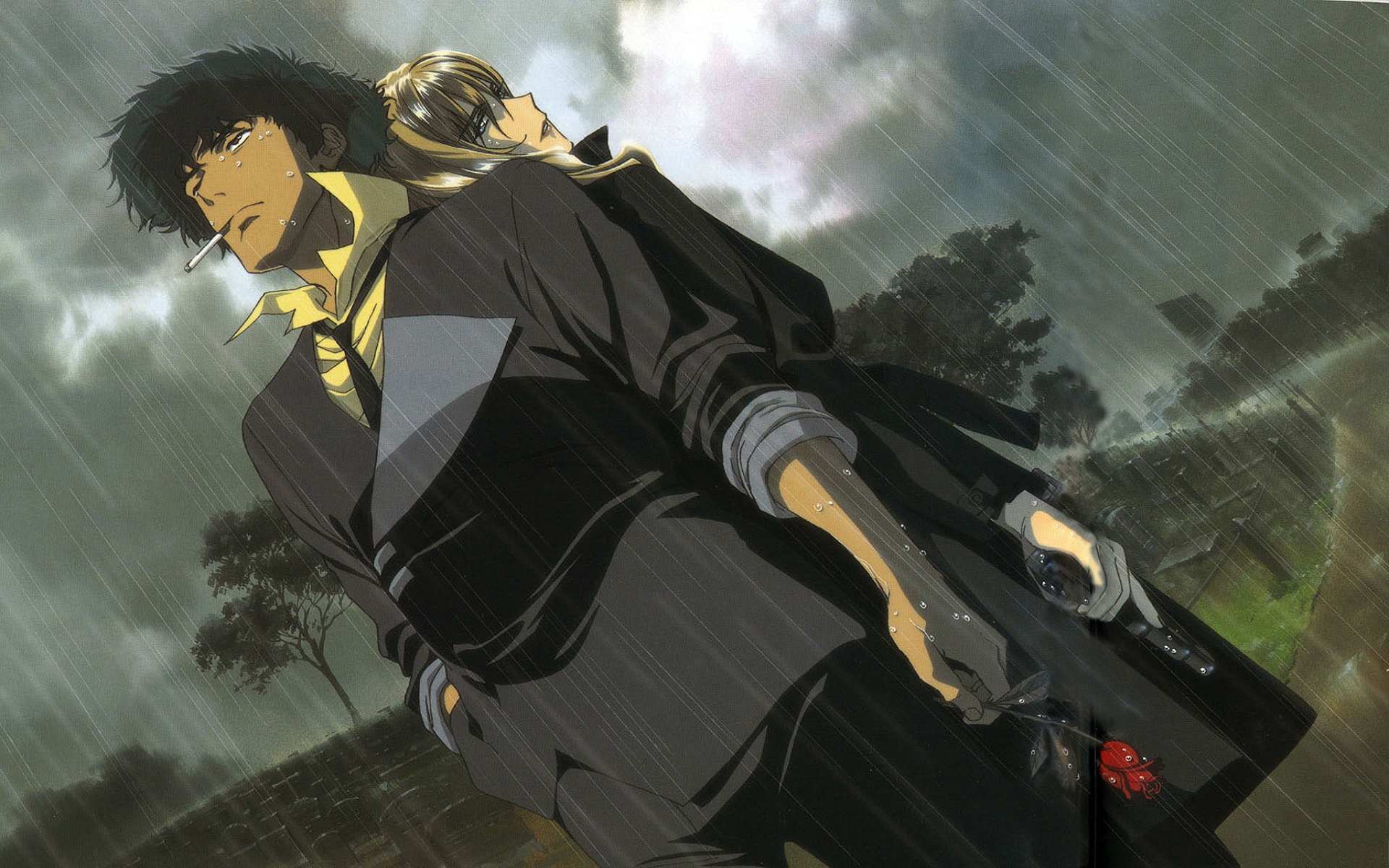
While Dragon Ball GT uses its ending to celebrate a journey, Cowboy Bebop takes a completely different path. Its conclusion is marked by melancholy, the past, and the inevitability of its characters’ choices.

Spike Spiegel spends much of the series trying to live in the present while carrying the problems of his past. As the story progresses, it becomes increasingly clear that he was never truly able to escape his old life.

In the end, Spike says goodbye to his crewmates and sets out to confront what he left behind. Jet, Faye, and the other characters also have their own problems and continue carrying their own stories, making it clear that not everything needs to be resolved for a narrative to have a meaningful conclusion.

It is precisely this characteristic that makes the ending of Cowboy Bebop so memorable. The series does not try to offer a perfect solution for every character. Instead, it focuses on Spike’s decision to finally confront his past.

The direction and animation also elevate the episode to another level. Some sequences have a visual quality that comes close to a cinematic production, using framing, lighting, and movement to transform the final confrontation into an extremely impactful visual experience.

And once again, the soundtrack plays a fundamental role. The music is not there simply to accompany the images: it helps build the emotional identity of the scene and makes the ending even harder to forget.

Cowboy Bebop shows that a good ending does not need to answer absolutely every question. Sometimes, all it takes is putting the character face-to-face with what they have spent the entire story trying to avoid.


3. Your Lie in April — A Painful and Beautiful Ending

Godzilla Minus Zero - King Ghidorah

Few anime manage to handle emotion as delicately as Your Lie in April. The series builds its narrative around music, friendship, trauma, and overcoming adversity, preparing the viewer for an ending that, although painful, remains consistent with everything the story had been building toward.

The ending of Your Lie in April works precisely because it does not try to turn an extremely difficult situation into something artificially happy. The story takes a more realistic path and shows that some experiences can profoundly change a person even when they do not end the way they had hoped.

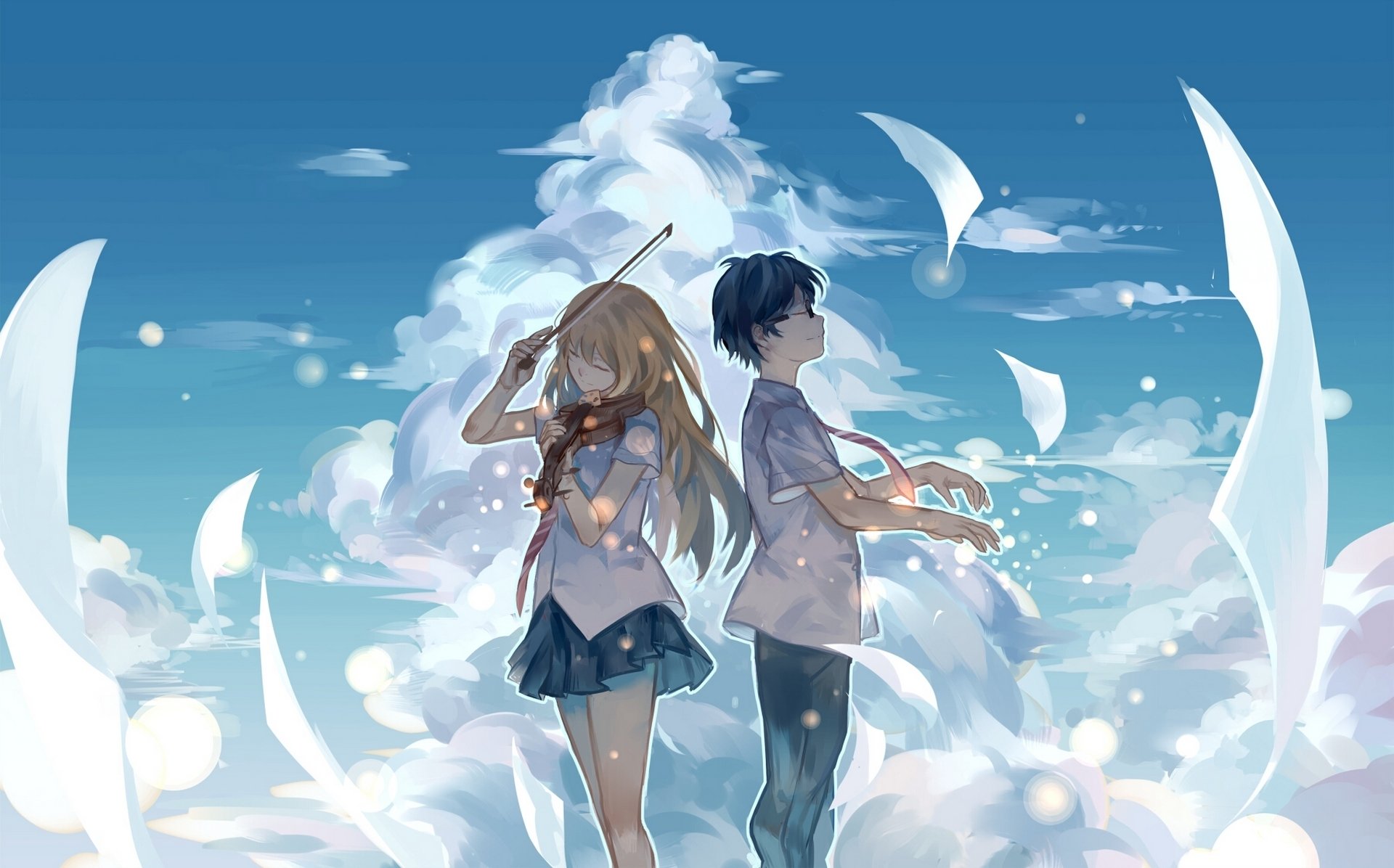
Music once again takes center stage during the most important moment. Kousei plays the piano while imagining Kaori by his side, turning the performance into a kind of farewell and, at the same time, a demonstration of everything she awakened within him.

It is a particularly powerful sequence because the music serves as a representation of the relationship between the two. Kaori is not simply present as a memory: her influence remains in the way Kousei sees music and life itself.

The Your Lie in April soundtrack is therefore much more than a complementary element. Music is a fundamental part of the narrative and makes the emotional impact of the ending even stronger.

The result is one of the most emotional anime endings, precisely because it does not rely on a major battle or a shocking twist. It works through human emotions, loss, memory, and the ability to keep living after an experience that completely changed someone.


Three Endings, Three Different Impacts

The most interesting thing about these three examples is that Dragon Ball GT, Cowboy Bebop, and Your Lie in April do not use the same formula to create a good ending.

Dragon Ball GT primarily works with the idea of farewell and legacy. Its conclusion looks back at Goku’s journey and everything Dragon Ball represents to its audience.

Cowboy Bebop chooses melancholy. Spike’s ending is the consequence of a past that never stopped following him, while the other characters continue on their own journeys.

Your Lie in April, on the other hand, focuses on emotional impact and realism. Its conclusion shows that a story can end painfully and still be deeply beautiful.

Beyond the stories themselves, there is another element that connects these three endings: music. In each one, the soundtrack helps transform an important scene into a lasting memory. It is an example of how Japanese animation can use image, narrative, and music to create moments that remain in the viewer’s memory long after the ending.

In the end, perhaps this is one of the greatest difficulties of writing a good conclusion: it is not enough to simply finish the story. You need to make the audience feel that the moment truly belongs to the journey they have just experienced.

And that is precisely why, despite being so different from one another, Dragon Ball GT, Cowboy Bebop, and Your Lie in April remain examples of endings that left a lasting mark on their viewers.

3 Melhores Finais de Animes Que Nunca Esquecemos


Godzilla Minus Zero - King Ghidorah

Criar um bom final para um anime é uma das tarefas mais difíceis para qualquer obra. Não basta simplesmente encerrar a história: é preciso amarrar seus principais acontecimentos, dar um destino coerente aos personagens e, acima de tudo, criar uma conexão emocional que permaneça com o espectador mesmo depois dos créditos.

Essa tarefa se torna ainda mais complicada quando consideramos as limitações da indústria. Prazos apertados, decisões de mercado, mudanças de planejamento e até a necessidade de encerrar uma produção antes do esperado podem fazer com que obras com grande potencial terminem de maneira insatisfatória. Por isso, quando encontramos um anime que consegue construir um final realmente marcante, vale a pena reconhecer esse trabalho.

Hoje, vamos falar sobre três finais de animes inesquecíveis: Dragon Ball GT, Cowboy Bebop e Your Lie in April. Cada um apresenta uma proposta completamente diferente, mas todos conseguem transformar seus últimos momentos em algo que permanece na memória do público.


1. Dragon Ball GT — O Adeus de um Legado

Godzilla Minus Zero - King Ghidorah

Dragon Ball GT é uma obra que ainda gera discussões entre os fãs de Dragon Ball. A série possui diversos questionamentos em relação à sua qualidade, às escolhas narrativas e à maneira como alguns personagens foram utilizados. Mesmo assim, existe um aspecto de GT que permanece particularmente marcante: seu desfecho.

Depois de acompanhar Goku durante tantos anos, o episódio final transforma sua despedida em algo muito maior do que simplesmente o encerramento de uma série. Goku deixa de ser apenas o protagonista de uma aventura e passa a representar toda a jornada de Dragon Ball e a relação construída entre o personagem e seus espectadores.

O que torna esse momento tão poderoso é justamente a sensação de despedida. A história parece reconhecer que aquela jornada acompanhou uma geração inteira e que, depois de tantas batalhas, aventuras e desafios, chegou o momento de seguir em frente.

A utilização da trilha sonora de abertura de Dragon Ball GT durante esse encerramento reforça ainda mais essa sensação. Uma música que o público já havia associado à própria série ganha um novo significado naquele momento, funcionando quase como uma retrospectiva emocional de tudo o que foi vivido.

É importante destacar que Dragon Ball GT não é simplesmente o encerramento de toda a obra de Akira Toriyama, já que Toriyama teve uma participação limitada na produção da série. Ainda assim, dentro da história apresentada por GT, o final funciona como uma despedida simbólica de Goku e da era de Dragon Ball representada pela produção.

Independentemente das críticas feitas à série, é difícil negar a força emocional desse encerramento. Dragon Ball GT entende o significado que Goku possui para seus espectadores e transforma sua despedida em um momento de legado.


2. Cowboy Bebop — Um Final Melancólico

Godzilla Minus Zero - King Ghidorah

Se Dragon Ball GT utiliza seu final para celebrar uma jornada, Cowboy Bebop segue por um caminho completamente diferente. Seu encerramento é marcado pela melancolia, pelo passado e pela inevitabilidade das escolhas de seus personagens.

Spike Spiegel passou grande parte da série tentando viver no presente enquanto carregava consigo os problemas do passado. Ao longo da história, fica cada vez mais evidente que ele não conseguiu realmente escapar de sua antiga vida.

No final, Spike se despede de seus companheiros de tripulação e parte para confrontar aquilo que deixou para trás. Jet, Faye e os demais personagens também possuem seus próprios problemas e continuam carregando suas histórias, deixando claro que nem tudo precisa ser resolvido para que uma narrativa tenha um encerramento significativo.

É justamente essa característica que torna o final de Cowboy Bebop tão marcante. A série não tenta oferecer uma solução perfeita para todos os personagens. Em vez disso, concentra-se na decisão de Spike de finalmente enfrentar o seu passado.

A direção e a animação também elevam o episódio a outro nível. Algumas sequências possuem uma qualidade visual que se aproxima de uma produção cinematográfica, utilizando enquadramentos, iluminação e movimento para transformar o confronto final em uma experiência visual extremamente impactante.

E, novamente, a trilha sonora desempenha um papel fundamental. A música não está ali apenas para acompanhar as imagens: ela ajuda a construir a identidade emocional da cena e transforma o encerramento em algo ainda mais difícil de esquecer.

Cowboy Bebop mostra que um bom final não precisa responder absolutamente todas as perguntas. Às vezes, basta colocar o personagem diante daquilo que ele passou a história inteira tentando evitar.


3. Your Lie in April — Um Final Doloroso e Lindo

Godzilla Minus Zero - King Ghidorah

Poucos animes conseguem trabalhar a emoção de maneira tão delicada quanto Your Lie in April. A série constrói sua narrativa ao redor da música, da amizade, do trauma e da superação, preparando o espectador para um desfecho que, embora doloroso, permanece coerente com tudo aquilo que a história vinha construindo.

O final de Your Lie in April funciona justamente porque não tenta transformar uma situação extremamente difícil em algo artificialmente feliz. A obra escolhe um caminho mais realista e mostra que algumas experiências podem mudar profundamente uma pessoa mesmo quando não terminam da maneira que ela desejava.

A música volta a ocupar o centro da narrativa no momento mais importante. Kousei toca piano enquanto imagina Kaori ao seu lado, transformando a apresentação em uma espécie de despedida e, ao mesmo tempo, em uma demonstração de tudo aquilo que ela despertou nele.

É uma sequência particularmente poderosa porque a música funciona como uma representação da relação entre os dois. Kaori não está apenas presente como uma lembrança: sua influência permanece na maneira como Kousei enxerga a música e a própria vida.

A trilha sonora de Your Lie in April é, portanto, muito mais do que um elemento complementar. A música é parte fundamental da narrativa e faz com que o impacto emocional do final seja ainda maior.

O resultado é um dos finais mais emocionantes dos animes, justamente por não depender de uma grande batalha ou de uma reviravolta. Ele funciona através de sentimentos humanos, perda, memória e da capacidade de continuar vivendo depois de uma experiência que mudou completamente alguém.


Três Finais, Três Impactos Diferentes

O mais interessante nesses três exemplos é que Dragon Ball GT, Cowboy Bebop e Your Lie in April não utilizam a mesma fórmula para criar um bom final.

Dragon Ball GT trabalha principalmente com a ideia de despedida e legado. Seu encerramento olha para a jornada de Goku e para tudo o que Dragon Ball representa para seu público.

Cowboy Bebop escolhe a melancolia. O final de Spike é consequência de um passado que nunca deixou de acompanhá-lo, enquanto os demais personagens seguem suas próprias jornadas.

Já Your Lie in April aposta no impacto emocional e no realismo. Seu encerramento mostra que uma história pode terminar de maneira dolorosa e ainda assim ser profundamente bonita.

Além das próprias histórias, existe outro elemento que conecta os três finais: a música. Em cada um deles, a trilha sonora ajuda a transformar uma cena importante em uma lembrança duradoura. É um exemplo de como a animação japonesa consegue utilizar imagem, narrativa e música para construir momentos que permanecem na memória do espectador muito depois do fim.

No final das contas, talvez essa seja uma das maiores dificuldades de escrever uma boa conclusão: não basta terminar a história. É preciso fazer com que o público sinta que aquele momento realmente pertence à jornada que acabou de acompanhar.

E é justamente por isso que, mesmo sendo tão diferentes entre si, Dragon Ball GT, Cowboy Bebop e Your Lie in April continuam sendo exemplos de finais que deixaram uma marca em seus espectadores.

sexta-feira, 25 de setembro de 2026

Is the Cyberpunk Dystopia Coming to Video Games? Microsoft, Sony, and the New Anti-Consumer Era


The gaming industry and the growing shift toward digital games

For decades, movies, anime, and science fiction games have imagined a future dominated by megacorporations, where technology, entertainment, and even basic necessities could be controlled by giant companies. For a long time, this seemed like nothing more than a cyberpunk fantasy.

Today, some of those ideas are starting to seem less distant. A Microsoft patent describes a system capable of inserting advertisements at specific moments in a game, while Sony continues moving toward a market increasingly dependent on digital distribution. Separately, these decisions can be viewed as business strategies. Together, they raise important questions about how the relationship between players and major companies could change.


Microsoft Patents a System That Could Interrupt Games With Ads

The patent application US 2026/0260258 A1, published in September 2026, describes a technology called Contextually Aware Management of Interactive Software Application Access.

The idea is relatively simple: the system can control a player's access to software through time- or progress-based credits. When that credit runs out, the system can identify a moment considered appropriate for displaying an advertisement.

The documentation mentions situations such as loading screens, pauses, the end of rounds, mission completion, and other transition moments. After the advertisement, the player could receive a new access credit.

In a possible future implementation, advertising could therefore become more than something displayed inside a game and instead become part of the way access to the experience itself is managed.

It is important to point out that Microsoft has not confirmed that it intends to implement this system in Xbox games. This is a patent, not a product announcement or confirmation that the technology will be commercially used.


But Xbox Is Already Testing Games With Advertising

The patent did not appear completely in isolation. In July 2026, Xbox announced a test of ad-supported game streaming for Xbox Insiders.

Under this model, certain games can be streamed for free, with sessions limited to one hour. The advertisement, however, appears before the session begins.

Xbox: “Ads will play before sessions begin.”

Xbox: “We do not interrupt the flow of gameplay.”

There is therefore an important difference between the current Xbox test and the mechanism described in the patent. Microsoft says that its current test does not interrupt gameplay, while the patent presents a technology capable of identifying certain moments within software to manage access and display advertising. We do not know whether these two ideas will ever be combined.


The Problem Begins When Advertising Becomes a Kind of Toll

Advertising in games is nothing new. The mobile market has used rewarded ads for years, particularly in free-to-play games. Microsoft itself already works with this concept through Rewarded Portals, advertising experiences that can offer rewards to players.

The situation changes when the logic goes from: “Do you want to watch an ad to receive a reward?” to: “Watch the ad to keep playing.”

These are different situations. In a free game, advertising can be part of the business model. But applying a similar logic to major premium games raises a different question: the consumer has already paid for the product or for the access provided by the platform.


And What Happens to Game Ownership?

The discussion is also connected to the growth of digital-only distribution. Sony announced that, starting in January 2028, new PlayStation games will no longer be produced on physical discs and will instead be commercially distributed in digital format.

PlayStation's own terms make an important distinction:

PlayStation Terms:

“The Software is licensed to you, not sold to you.”

This does not mean that buying digital games is illegal or that consumers have no rights. The point is that a digital purchase does not necessarily provide all of the traditional options associated with a physical game, such as keeping a physical copy, lending it, or reselling it.

The more we depend on accounts, servers, and platforms, the more dependent consumers may become on the company controlling that ecosystem.


The Gaming Industry Is Becoming More Like a Cyberpunk World

Perhaps the most concerning issue is not a specific patent or the end of physical discs by themselves. It is the direction these changes could represent.

First came microtransactions. Then season passes, virtual currencies, games as a service, temporary content, mandatory servers, and subscription models.

Now, companies are also experimenting with different ways of integrating advertising into access to games. At the same time, digital distribution can give consumers fewer of the options traditionally associated with physical games, such as lending, reselling, or simply keeping a physical copy.

It is difficult not to think of cyberpunk dystopias: megacorporations with increasing control over platforms, services, content, and access, while new ways of monetizing consumer attention are being developed.

And there is an irony in all of this. While major companies search for new ways to monetize experiences and services, indie and retro games continue to offer what many players are looking for: more direct, creative experiences that are less dependent on large corporate ecosystems.


The Real Risk Is Consumers Getting Used to It

Perhaps the greatest risk is not watching 30 seconds of advertising. The issue is gradually accepting this type of model as normal.

The industry may start with advertising in free games, expand into streaming services, and eventually find new ways to turn access time, progress, and attention into monetizable elements.

At the same time, some players may become so attached to particular brands that they end up defending practices they might criticize in other contexts. And while Sony, Microsoft, and other major companies compete for this audience, similar practices could eventually become more common across different platforms.

If the industry continues turning more and more aspects of the gaming experience into opportunities for monetization, perhaps cyberpunk fiction got one thing right that once seemed too exaggerated to become reality.

And perhaps some of the resistance will come from where we least expect it: from indie games, classic games, and players who still believe that buying a game should, above all, mean being able to play that game.

A Distopia Cyberpunk Está Chegando aos Videogames? Microsoft, Sony e a Nova Era Anticonsumidor


A indústria dos games e a crescente digitalização dos jogos

Durante décadas, filmes, animes e jogos de ficção científica imaginaram um futuro dominado por megacorporações, no qual tecnologia, entretenimento e até necessidades básicas poderiam ser controlados por grandes empresas. Durante muito tempo, isso pareceu apenas uma fantasia cyberpunk.

Hoje, algumas dessas ideias começam a parecer menos distantes. Uma patente da Microsoft descreve um sistema capaz de inserir publicidade em momentos específicos de um jogo, enquanto a Sony continua avançando em direção a um mercado cada vez mais dependente da distribuição digital. Separadamente, essas decisões podem ser vistas como estratégias comerciais. Juntas, elas levantam questões importantes sobre como a relação entre jogadores e grandes empresas pode mudar.


Microsoft Patenteia Sistema Que Pode Interromper Jogos Para Exibir Anúncios

A solicitação de patente US 2026/0260258 A1, publicada em setembro de 2026, descreve uma tecnologia chamada Contextually Aware Management of Interactive Software Application Access.

A ideia é relativamente simples: o sistema pode controlar o acesso do jogador ao software por meio de créditos baseados em tempo ou progresso. Quando esse crédito termina, o sistema pode identificar um momento considerado apropriado para exibir uma publicidade.

A documentação menciona situações como telas de carregamento, pausas, final de rodadas, conclusão de missões e outros momentos de transição. Depois da publicidade, o jogador poderia receber um novo crédito de acesso.

Em uma possível implementação futura, portanto, a publicidade poderia deixar de ser apenas algo exibido dentro de um jogo e passar a fazer parte do próprio modelo de acesso à experiência.

É importante destacar que a Microsoft não confirmou que pretende implementar esse sistema nos jogos do Xbox. Trata-se de uma patente, e não de um anúncio de produto ou de uma confirmação de que essa tecnologia será utilizada comercialmente.


Mas o Xbox Já Está Testando Jogos Com Publicidade

A patente não surgiu completamente isolada. Em julho de 2026, o Xbox anunciou um teste de streaming de jogos com suporte a publicidade para participantes do Xbox Insider.

Nesse modelo, determinados jogos podem ser transmitidos gratuitamente, com sessões limitadas a uma hora. A publicidade, porém, aparece antes do início da sessão.

Xbox: “Ads will play before sessions begin.”

Xbox: “We do not interrupt the flow of gameplay.”

Existe, portanto, uma diferença importante entre o teste atual do Xbox e o mecanismo descrito na patente. A Microsoft afirma que o teste atual não interrompe a jogabilidade, enquanto a patente apresenta uma tecnologia capaz de identificar determinados momentos dentro do software para controlar o acesso e exibir publicidade. Não sabemos se essas duas ideias algum dia serão combinadas.


O Problema Começa Quando a Publicidade Vira uma Espécie de Pedágio

Publicidade em jogos não é algo novo. O mercado mobile utiliza anúncios recompensados há anos, principalmente em jogos gratuitos. A própria Microsoft trabalha com esse conceito por meio dos Rewarded Portals, experiências publicitárias que podem oferecer recompensas aos jogadores.

A questão muda quando a lógica passa de: “Você quer assistir a um anúncio para receber uma recompensa?” para: “Assista ao anúncio para continuar jogando.”

São situações diferentes. Em um jogo gratuito, a publicidade pode fazer parte do modelo de negócio. Mas aplicar uma lógica semelhante a grandes jogos premium levanta uma questão diferente: o consumidor já pagou pelo produto ou pelo acesso oferecido pela plataforma.


E O Que Acontece Com a Propriedade dos Jogos?

A discussão também está relacionada ao crescimento da distribuição exclusivamente digital. A Sony anunciou que, a partir de janeiro de 2028, novos jogos de PlayStation deixarão de ser produzidos em discos físicos e passarão a ser distribuídos comercialmente em formato digital.

Os próprios termos da PlayStation fazem uma distinção importante:

Termos da PlayStation:

“O Software é licenciado a você, e não vendido.”

Isso não significa que comprar jogos digitais seja ilegal ou que consumidores não tenham direitos. A questão é que uma compra digital não necessariamente proporciona as mesmas possibilidades associadas a um produto físico, como manter uma cópia física, emprestá-la ou revendê-la.

Quanto mais dependemos de contas, servidores e plataformas, maior pode ser a dependência do consumidor em relação à empresa que controla aquele ecossistema.


A Indústria dos Games Está Cada Vez Mais Parecida Com um Mundo Cyberpunk

Talvez o ponto mais preocupante não seja uma patente específica ou o fim dos discos físicos isoladamente. É a direção que essas mudanças podem representar.

Vieram as microtransações. Depois, passes de temporada, moedas virtuais, jogos como serviço, conteúdos temporários, servidores obrigatórios e modelos de assinatura.

Agora, empresas também estão experimentando diferentes formas de integrar publicidade ao acesso aos jogos. Ao mesmo tempo, a distribuição digital pode oferecer ao consumidor menos opções tradicionalmente associadas aos jogos físicos, como emprestar, revender ou simplesmente guardar uma cópia física.

É difícil não pensar nas distopias cyberpunk: megacorporações com controle cada vez maior sobre plataformas, serviços, conteúdo e acesso, enquanto novas formas de monetizar a atenção do consumidor são desenvolvidas.

E existe uma ironia nisso tudo. Enquanto grandes empresas procuram novas formas de monetizar experiências e serviços, jogos independentes e retrô continuam oferecendo aquilo que muitos jogadores procuram: experiências mais diretas, criativas e menos dependentes de grandes ecossistemas corporativos.


O Verdadeiro Risco É o Consumidor Se Acostumar

Talvez o maior risco não seja assistir a 30 segundos de publicidade. A questão está em gradualmente aceitar esse tipo de modelo como algo normal.

A indústria pode começar com publicidade em jogos gratuitos, expandir para serviços de streaming e, no futuro, encontrar novas formas de transformar tempo de acesso, progresso e atenção em elementos monetizáveis.

Ao mesmo tempo, alguns jogadores podem se tornar tão ligados a determinadas marcas que acabam defendendo práticas que talvez criticassem em outros contextos. E, enquanto Sony, Microsoft e outras grandes empresas disputam esse público, práticas semelhantes podem eventualmente se tornar mais comuns em diferentes plataformas.

Se a indústria continuar transformando cada vez mais aspectos da experiência de jogar em oportunidades de monetização, talvez a ficção cyberpunk tenha acertado em algo que durante muito tempo parecia exagerado demais para se tornar realidade.

E talvez parte da resistência venha de onde menos esperamos: dos jogos independentes, dos clássicos e dos jogadores que ainda acreditam que comprar um jogo deveria significar, antes de tudo, poder jogar aquele jogo.

quinta-feira, 24 de setembro de 2026

Digimon Super Rumble Update 3.04 Adds New Beelzemon Dungeon


Godzilla Minus Zero - King Ghidorah

Digimon Super Rumble has received its 3.04 update, bringing one of the MMORPG's latest major additions: the arrival of the new Beelzemon Dungeon, based on one of the Seven Great Demon Lords.


New Beelzemon Dungeon

Beelzemon's Drive Canyon is a new solo dungeon located in Dark Castle Valley. To access it, players must have a Level 50 Tamer and have completed the main quest "Peace Restored."

The challenge pits players against Beelzemon and introduces a ranking system based on performance and completion time. Normally, the dungeon can be accessed on Fridays, but during the launch event, it will be available daily until October 8, 2026.

This dungeon offers some interesting rewards, including the evolution item for Beelzemon and the accessory that unlocks this Digimon's mount, along with several valuable in-game resources that can be obtained by completing the dungeon.


New DigiCore Resonance System

The dungeon also introduces the new DigiCore Resonance system. During the challenge, players can choose different Resonances to temporarily strengthen their Digimon.

Resonances have four rarity levels: Normal, Rare, Heroic, and Legendary. Finding the same Resonance again increases its level and makes its effect more powerful.

These bonuses are temporary and disappear when the dungeon ends, allowing players to experiment with different combinations on each run.


Other New Features in the Update

Update 3.04 also introduces DigiPass Season 10, a new Guild Conquest season, and special Chuseok events, including a raid against MirageGaogamon: Burst Mode.


A New Path for the Seven Great Demon Lords?

The arrival of Beelzemon may be particularly interesting for Digimon fans. The new dungeon follows a concept centered around the Seven Great Demon Lords, potentially opening the door for other members of the group to receive similar content in the future.

Digimon Super Rumble Update 3.04 is now available, with the new Beelzemon Dungeon standing out as its main addition.

Digimon Super Rumble recebe nova Dungeon de Belzebumon na atualização 3.04


Godzilla Minus Zero - King Ghidorah

Digimon Super Rumble recebeu sua atualização 3.04 com uma das principais novidades recentes do MMORPG: a chegada da nova Dungeon de Belzebumon, baseada em um dos Sete Grandes Lordes Demônios.


Nova Dungeon de Belzebumon

A Belzebumon's Drive Canyon é uma nova dungeon individual localizada em Dark Castle Valley. Para acessá-la, é necessário estar com o Tamer no nível 50 e ter concluído a missão principal "Peace Restored".

O desafio coloca os jogadores contra Belzebumon e introduz um sistema de ranking baseado no desempenho e no tempo de conclusão. Normalmente, a dungeon pode ser acessada às sextas-feiras, mas durante o evento de lançamento estará disponível diariamente até 8 de outubro de 2026.

Esta dungeon oferece algumas recompensas bastante interessantes, como o item de evolução do Belzebumon e o acessório que habilita a montaria deste digimon, além de vários recursos bem valiosos no jogo, que podem ser adquiridos ao finalizar a dungeon.


Novo sistema DigiCore Resonance

A dungeon também apresenta o novo sistema DigiCore Resonance. Durante o desafio, os jogadores podem escolher diferentes Resonances para fortalecer temporariamente seus Digimon.

As Resonances possuem quatro níveis de raridade: Normal, Rare, Heroic e Legendary. Ao encontrar a mesma Resonance novamente, seu nível aumenta e o efeito fica mais poderoso.

Os bônus são temporários e desaparecem quando a dungeon termina, tornando cada tentativa uma oportunidade para experimentar diferentes combinações.


Outras novidades da atualização

A atualização 3.04 também adiciona o DigiPass Season 10, uma nova temporada da Guild Conquest e eventos especiais de Chuseok, incluindo uma raid contra MirageGaogamon: Burst Mode.


Um novo caminho para os Sete Grandes Lordes Demônios?

A chegada de Belzebumon pode ser especialmente interessante para os fãs de Digimon. A nova dungeon segue uma proposta baseada nos Sete Grandes Lordes Demônios, abrindo espaço para que outros membros do grupo recebam conteúdos semelhantes no futuro.

A atualização 3.04 de Digimon Super Rumble já está disponível, com a nova dungeon de Belzebumon como seu principal destaque.

quarta-feira, 23 de setembro de 2026

Resident Evil: Is Zack Cregger’s Movie a Good Adaptation? Full Review (Spoilers)


Godzilla Minus Zero - King Ghidorah

Resident Evil finally received a new live-action adaptation in 2026, this time directed by Zack Cregger, director of Barbarian and Weapons. Unlike previous productions, the new movie does not directly retell the story of Resident Evil 1, Resident Evil 2, or any other specific game. Instead, it presents an original story set within the franchise's universe, following Bryan, a medical courier who becomes involved in a biological outbreak in Raccoon City.

Cregger himself had already explained that he did not want to simply reproduce a story that the games had already told, choosing instead to create his own narrative within the Resident Evil universe. The problem, however, is that there is an important difference between creating a new story within a franchise and actually capturing the essence of Resident Evil. And this is precisely where Zack Cregger's film begins to stumble.

Resident Evil Requiem - PlayStation 5

R$ 279,90

Buy

Resident Evil 4 Artbook Deluxe: Remake & Collector Edition

R$ 66,09

Buy

Resident Evil Generation Pack - Nintendo Switch 2

R$ 549,00

Buy

A Different Vision of a New Apocalypse

Zack Cregger's Resident Evil presents a very particular vision of a new biological outbreak. The film contains recognizable elements from the franchise, such as Raccoon City, mutant creatures, resource management, weapons, ammunition, and a structure that, at times, resembles a video game campaign.

However, when we look at the film as a whole, it becomes clear that it moves quite far away from what traditionally defines the series. This does not mean that an adaptation needs to simply reproduce the events of the games, but there is a difference between telling an original story and leaving aside fundamental elements that help build the identity of Resident Evil.

The franchise built its identity precisely through the combination of horror, exploration, resource management, grotesque creatures, and a constant sense of vulnerability. The problem is that, although the film presents some of these concepts individually, it pays little attention to exploring them consistently. Perhaps the clearest example is the Umbrella Corporation itself: even when the protagonist visits a laboratory, we find almost no symbols, references, or visual elements reinforcing the presence of one of the most important organizations in the entire franchise.

This becomes even stranger because the film did not need to become a direct adaptation of one of the games. It would have been enough to use these elements to establish a stronger connection with the original universe. The presence of Umbrella, documents related to the outbreak, references to biological experiments, or even recognizable creatures from the games could have helped establish this identity without limiting the director's creative freedom.

In the end, the film seems more interested in building its own interpretation of a biological apocalypse than in exploring what made Resident Evil such a recognizable franchise. And this may be one of the adaptation's biggest problems: there are not enough references to remind the audience that they are watching a Resident Evil movie.


The Positive Aspects of the Film

The Opening Minutes Work Very Well

One of the film's greatest strengths is found precisely in its opening moments. The sequence involving the protagonist, the accident, and his arrival at a residence manages to create a genuine sense of isolation. There is an interesting progression in the way the character begins almost completely defenseless and has to find resources to survive.

The scene involving the first infected also works well within this concept. I prefer to use the term "infected" because the creatures presented in the film are very different from the classic Resident Evil zombies.

The encounter with the dog is also one of the moments when the film manages to convey a feeling closer to survival horror. The threat is not immediately presented as something enormous, but rather as a situation that progressively becomes more dangerous.

This is when viewers familiar with the games begin to imagine that the virus presented in the film may not necessarily follow the pattern of the T-Virus.

The nature of the creatures opens the door to comparisons with different biological experiments from the franchise, recalling concepts that the series has already presented at different points, such as the parasites (Las Plagas) from Resident Evil 4 or the organisms (Uroboros) from Resident Evil 5.


The Infected Child and the Acid-Spitting Monster

Among the best scenes in Resident Evil 2026 are the moments involving the infected child and the acid-spitting creature. These sequences manage to create tension and, most importantly, present visually distinct threats.

The problem lies in the way some of these situations are resolved. At certain moments, the script creates an extremely powerful threat only to find a relatively convenient solution a few minutes later.

The acid-spitting monster scene is a good example. The creature is presented as a significant threat, but the protagonist's behavior during the confrontation is not entirely consistent with the situation established by the film itself.


Weapon and Ammunition Management

Another positive aspect is the way the film handles weapon and ammunition management. The protagonist starts with very limited resources and gradually expands his arsenal. This progression creates an interesting gameplay feeling, as if we were following a video game campaign and watching his inventory expand.

This is one of the production's best features because the film manages to turn a mechanic typical of the games into a narrative tool.

There is even a brief first-person sequence that attempts to visually recreate an experience similar to playing a Resident Evil game. It is brief, but it demonstrates that Cregger understands the cinematic potential of video game language.


The Protagonist and His Transformation

For anyone familiar with the narrative structure of Resident Evil, the transformation does not come as a major surprise. From the moment the character is bitten by the dog, there is an obvious clue that the infection will have consequences.

What is interesting is following the progression toward that moment. The character begins as someone unprepared for the situation and gradually takes on greater responsibilities. The audio recording, for example, works as a small form of personal development within the story.

This type of device also connects with a recurring feature of the games: documents, recordings, and messages that help build the context as the player progresses.

If the film receives a sequel, the protagonist's transformation could even be used to develop a recurring antagonist.


The Biggest Problem: The Progression of the Threat

In the early stages of the outbreak in Raccoon City, the scale of the threat does not seem to match what is being presented.

The film introduces creatures that appear to be at a much higher threat level than traditional zombies, but there is no sufficiently clear progression preparing the protagonist to face these situations.

In a Resident Evil game, this evolution is usually built gradually and has been developed throughout the franchise. The player starts by facing relatively simple threats, learns to manage resources, and as they progress, encounters increasingly dangerous creatures.

In the film, this escalation happens much more abruptly. The result is a kind of narrative schizophrenia: the threat seems enormous in certain scenes, but the film itself immediately diminishes that feeling with a joke or a comedic line.


The Excessive Comedy Hurts the Horror

Resident Evil has always had absurd moments, eccentric characters, and even unintentional humor. However, there is a difference between acknowledging the absurdity present in the franchise and turning practically every tense situation into an opportunity for a joke.

The excessive use of lines like "Fuck" and other comedic moments from the protagonist ends up breaking the tension that the director himself had established. This is especially problematic because the film presents some creatures that could work very well within a body horror approach.

When a threat is visually disturbing and the following scene immediately turns it into a joke, the impact is reduced.

Some positive reviews of the film interpreted this mixture of humor and horror as a deliberate characteristic of the franchise, while others specifically highlighted the loss of narrative strength during the final stages.


Raccoon City Feels Too Empty

The script establishes that everything happens within just a few hours, but the scale of the disaster does not seem to correspond to the size of the threat being presented.

We would expect to see a Raccoon City consumed by chaos, with people trying to escape, survivors hiding, infected people scattered throughout the streets, and different groups of characters attempting to survive.

Instead, many areas seem empty. This also hurts the perception of the apocalypse's scale. If the goal was to show a city collapsing, it would have been important to present more victims, survivors, and different consequences of the outbreak. This is unfortunate because Raccoon City itself is a fundamental part of the games and a pillar of the franchise, and seeing it reduced to a generic city is one of the film's weakest aspects.


The Creatures Could Have Been Much Better

A franchise like Resident Evil has one of the largest galleries of monsters in video games: Zombies, Cerberus, Lickers, Hunters, Tyrants, Nemesis, and countless other B.O.W.s are part of the series' visual identity.

The film, however, chooses to develop its own creatures. This would not necessarily be a problem if these creatures were memorable. The problem is that many of them do not have the same visual impact as the franchise's classic monsters.

At times, the threat even seems much larger than the zombies themselves. Destroyed rats that apparently merge into a large mass, tentacled creatures, and masses of bodies create a type of horror very different from what made Resident Evil recognizable. These are interesting ideas on their own, but they ultimately seem as though they belong to another universe.


Is the Film a Good Resident Evil Adaptation?

This is the most important question. As a horror film, Resident Evil has its qualities. As a video game-inspired experience, it also works in several moments.

But as a Resident Evil adaptation, I believe the result is quite limited and frustrating. Cregger himself made it clear that his intention was not to directly adapt a story from the games. The film is an original story set within the franchise's universe.

This decision allows for creative freedom, but it also creates an unavoidable question: if you are using the name Resident Evil, what needs to remain for the work to still have the franchise's identity?

It is necessary to preserve the combination of horror, exploration, resource management, vulnerability, and tension that defined the series and to better utilize the visual elements that make this franchise unique. It is not enough to put the name on it and explore elements common to any generic horror game and call it Resident Evil, because it isn't.


What Could Have Been Done to Make the Film More Faithful to the Games?

The film did not need to adapt Resident Evil 2 again or necessarily include Leon, Claire, Chris, and Jill in the story. An original story could have worked very well.

But some elements could have been used to bring the production closer to the identity of the games:

  • Classic zombies: use traditional undead creatures as the primary initial threat.
  • Gradual progression: start with simple enemies and increase the threat as the protagonist progresses.
  • Exploration: create interconnected areas and encourage the discovery of resources and documents.
  • Resource management: maintain limited ammunition as a fundamental element of survival.
  • Classic B.O.W.s: introduce recognizable creatures from the franchise instead of relying almost exclusively on original monsters.
  • More survivors: show different people trying to escape Raccoon City.
  • Less comedy: allow horror scenes to remain uncomfortable for longer.
  • More atmosphere: explore corridors, hospitals, police stations, laboratories, and other environments with a stronger sense of isolation.

Interestingly, some of these elements remain present in the franchise's current identity. Resident Evil Requiem, for example, combines different perspectives and gameplay styles, while Capcom continues to present survival horror as a central part of the series.


Resident Evil Requiem Shows Another Path

Resident Evil Requiem was released in the same year that Zack Cregger's film arrived in theaters, and Capcom itself continues to present the franchise as an experience centered around survival horror.

The game also alternates between different perspectives and gameplay styles, showing that the series can evolve without completely abandoning its roots.

For this reason, there is an interesting irony: while the video game franchise continues to find ways to modernize its formula, the film could have taken much more direct advantage of that identity.

For those who followed the promotion for Resident Evil Requiem, some of Capcom's promotional productions even demonstrated that it is possible to bring the atmosphere of the games into live-action without necessarily turning the experience into a horror comedy.


Did Paul W. S. Anderson's Resident Evil Respect the Games More?

The first film directed by Paul W. S. Anderson, Resident Evil from 2002, is also not a direct adaptation of the first game's story. However, it uses much more recognizable elements from the franchise, including the Umbrella Corporation, the underground laboratory, the viral outbreak, and creatures directly associated with the games.

For this reason, even though it is a production quite different from the games, it can be argued that Resident Evil: Apocalypse preserves some fundamental elements of the universe more clearly.

Cregger's film has an important advantage over Anderson's production: it attempts to better reproduce certain gameplay sensations, especially the progression of resources and the survival structure. Positive reviews also highlighted precisely this characteristic.

But that does not automatically mean that it is a more faithful adaptation.


Has the New Film Become the Best Live-Action Version?

Zack Cregger's film certainly has more sophisticated direction in some respects and demonstrates a greater understanding of certain video game mechanics.

On the other hand, it also moves quite far away from the visual and narrative identity that many players associate with the franchise. Therefore, I find it difficult to say that it has definitively become the best live-action Resident Evil adaptation.

For me, the film works better as a horror experience inspired by the structure of the games than as a truly faithful representation of the franchise. And this is precisely the production's great paradox: it is possible to recognize Resident Evil in its structure, but it is much harder to recognize it in its essence.


Is Resident Evil Still a Horror Franchise?

There is an ongoing discussion among fans about how much Resident Evil has always been a franchise about comedy, action, or horror.

It is true that the series has absurd moments and that its identity has changed significantly over the decades. But interpreting the early games simply as comedies ignores the context in which they were released.

The first Resident Evil, released in 1996, helped popularize the survival horror genre by combining exploration, limited combat, resource management, and a horror atmosphere. PlayStation itself describes the series as one of the franchises responsible for popularizing the genre.

The fact that the franchise incorporated more action later does not erase this origin. The Resident Evil community has been divided for many years between different interpretations of the series, especially after the changes introduced by Resident Evil 4, Resident Evil 5, and Resident Evil 6. But that does not mean horror is a secondary element of the franchise's identity.

In fact, the very existence of games such as Resident Evil 7, Resident Evil Village, and now Resident Evil Requiem demonstrates that Capcom continues to explore different ways of returning to horror.


Conclusion: A Good Horror Experience, but a Limited Adaptation

In the end, Zack Cregger's Resident Evil is an average horror film that contains some genuinely good sequences. The direction is competent, the framing is interesting, some creatures work very well, and the progression of the arsenal conveys a curious sense of gameplay.

The protagonist also undergoes an interesting evolution, and his transformation opens possibilities for a potential sequel.

The problem is that all these strengths are accompanied by an inconsistent narrative, underdeveloped supporting characters, a strangely empty Raccoon City, creatures that often seem to belong to another universe, and an excess of comedy that weakens some of the film's best horror scenes.

It is unfortunate because Zack Cregger demonstrates that he has the ability to deliver an excellent Resident Evil film. His framing, tension-building, and command of horror show that there is a director capable of doing it.

Perhaps what was missing was precisely trusting the identity of the games more. With classic zombies, a more coherent progression of threats, less comedy, more exploration, iconic creatures, and a more consistent survival horror atmosphere, this same director could have produced something much closer to what fans expect from a Resident Evil adaptation.

My rating: ⭐⭐⭐☆☆ (3/5)


What did you think of the new Resident Evil movie? Did Zack Cregger manage to deliver a good adaptation of the franchise, or did the film move too far away from the games? Would you like to see a sequel to this universe, or would you rather see Capcom try a new adaptation several years from now? Share your opinion in the comments!

Resident Evil: O Filme de Zack Cregger é uma Boa Adaptação? Análise Completa (Spoilers)


Godzilla Minus Zero - King Ghidorah

Resident Evil finalmente ganhou uma nova adaptação live-action em 2026, desta vez pelas mãos de Zack Cregger, diretor de Barbarian e Weapons. Diferente das produções anteriores, o novo filme não tenta recontar diretamente a história de Resident Evil 1, Resident Evil 2 ou qualquer outro jogo específico. A proposta é apresentar uma história original ambientada no universo da franquia, acompanhando Bryan, um entregador médico que acaba envolvido em um surto biológico em Raccoon City.

O próprio Cregger já havia explicado que não queria simplesmente reproduzir uma história que os jogos já contaram, optando por criar uma narrativa própria dentro do universo de Resident Evil, o problema é que existe uma diferença importante entre criar uma nova história dentro de uma franquia e realmente capturar a essência de Resident Evil. E é justamente nesse ponto que o filme de Zack Cregger acaba tropeçando.

Resident Evil Requiem - PlayStation 5

R$ 279,90

Comprar

Resident Evil 4 Artbook Deluxe: Remake & Collector Edition

R$ 66,09

Comprar

Resident Evil Generation Pack - Nintendo Switch 2

R$ 549,00

Comprar

Uma visão particular de um novo apocalipse

O Resident Evil de Zack Cregger apresenta uma visão bastante particular de um novo surto biológico. O filme possui elementos reconhecíveis da franquia, como Raccoon City, criaturas mutantes, gerenciamento de recursos, armas, munições e uma estrutura que, em alguns momentos, lembra uma campanha de videogame.

Entretanto, quando analisamos o conjunto da obra, fica evidente que o filme se distancia bastante daquilo que tradicionalmente define a série. Isso não significa que uma adaptação precise simplesmente reproduzir os acontecimentos dos jogos, mas existe uma diferença entre contar uma história original e deixar de lado elementos fundamentais que ajudam a construir a identidade de Resident Evil.

A franquia construiu sua identidade justamente através da combinação entre terror, exploração, gerenciamento de recursos, criaturas grotescas e uma constante sensação de vulnerabilidade. O problema é que, embora o filme apresente alguns desses conceitos isoladamente, ele pouco se preocupa em explorá-los de maneira consistente. Talvez o exemplo mais evidente disso seja a própria Umbrella Corporation: mesmo quando o protagonista visita um laboratório, praticamente não encontramos símbolos, referências ou elementos visuais que reforcem a presença de uma das organizações mais importantes de toda a franquia.

Isso acaba sendo ainda mais estranho porque não seria necessário transformar o filme em uma adaptação direta de um dos jogos. Bastaria utilizar esses elementos para estabelecer uma conexão mais forte com o universo original. A presença da Umbrella, documentos relacionados ao surto, referências aos experimentos biológicos ou até mesmo criaturas reconhecíveis dos jogos poderiam ajudar a construir essa identidade sem limitar a liberdade criativa do diretor.

No fim, o longa parece mais interessado em construir a sua própria interpretação de um apocalipse biológico do que em explorar aquilo que tornou Resident Evil uma franquia tão reconhecível. E esse talvez seja um dos maiores problemas da adaptação: faltam referências suficientes para lembrar ao público que estamos assistindo a um filme de Resident Evil.


Os pontos positivos do filme

Os primeiros minutos funcionam muito bem

Um dos maiores méritos do filme está justamente em seus momentos iniciais, a sequência envolvendo o protagonista, o acidente e sua chegada a uma residência consegue criar uma sensação genuína de isolamento. Existe uma progressão interessante na forma como o personagem começa praticamente indefeso e precisa encontrar recursos para sobreviver.

A cena envolvendo o primeiro infectado também funciona bem dentro dessa proposta. Prefiro utilizar o termo "infectado" porque as criaturas apresentadas no longa estão muito distantes dos zumbis clássicos de Resident Evil.

O encontro com o cachorro também é um dos momentos em que o filme consegue transmitir uma sensação mais próxima do survival horror. A ameaça não é apresentada imediatamente como algo gigantesco, mas como uma situação que vai ficando progressivamente mais perigosa.

É nesse momento que o espectador familiarizado com os jogos começa a imaginar que o vírus apresentado no filme pode não seguir necessariamente o padrão do T-Virus.

A natureza das criaturas abre espaço para associações com diferentes experimentos biológicos da franquia, lembrando conceitos que a série já apresentou em diferentes momentos, como os parasitas (Las Plagas) de Resident Evil 4 ou os organismos (Uroboros) de Resident Evil 5.


A criança infectada e o monstro que cospe ácido

Entre as melhores cenas de Resident Evil 2026 estão os momentos envolvendo a criança infectada e a criatura que cospe ácido, são sequências que conseguem gerar tensão e, principalmente, apresentam ameaças visualmente diferentes.

O problema está na maneira como algumas dessas situações são resolvidas. Em determinados momentos, o roteiro cria uma ameaça extremamente poderosa apenas para encontrar uma solução relativamente conveniente alguns minutos depois.

A cena do monstro que cospe ácido é um bom exemplo. A criatura é apresentada como uma ameaça significativa, mas o comportamento do protagonista durante o confronto não é totalmente coerente com a situação construída pelo próprio filme.


O gerenciamento de armas e munição

Outro ponto positivo é a maneira como o filme trabalha o gerenciamento de armas e munições, o protagonista começa com recursos bastante limitados e vai ampliando gradualmente seu arsenal. Essa progressão transmite uma sensação interessante de gameplay, como se estivéssemos acompanhando uma campanha de videogame e a expansão do seu inventário.

Essa é uma das melhores características da produção, porque o filme consegue transformar uma mecânica típica dos jogos em uma ferramenta narrativa.

Existe inclusive um pequeno trecho em primeira pessoa que tenta reproduzir visualmente uma experiência semelhante à de jogar um Resident Evil. É algo breve, mas demonstra que Cregger entende o potencial cinematográfico da linguagem dos videogames.


O protagonista e sua transformação

Para quem conhece a estrutura narrativa de Resident Evil, a transformação não chega exatamente como uma grande surpresa. Desde o momento em que o personagem é mordido pelo cachorro, existe uma pista evidente de que a infecção terá consequências.

O interessante é justamente acompanhar a progressão até esse momento. O personagem começa como alguém despreparado para aquela situação e gradualmente assume responsabilidades maiores, a gravação do áudio, por exemplo, funciona como uma pequena evolução pessoal dentro da história.

Esse tipo de recurso também conversa com uma característica recorrente dos jogos: documentos, gravações e mensagens que ajudam a construir o contexto enquanto o jogador avança.

Se o filme receber uma continuação, a transformação do protagonista poderia inclusive ser utilizada para desenvolver um antagonista recorrente.


O maior problema: a progressão da ameaça

Nos estágios iniciais do surto em Raccoon City, a escala da ameaça não parece acompanhar aquilo que está sendo apresentado.

O filme introduz criaturas que parecem estar em um nível de ameaça muito superior ao dos zumbis tradicionais, mas não existe uma progressão suficientemente clara que prepare o protagonista para enfrentar essas situações.

Em um jogo de Resident Evil, essa evolução costuma ser construída gradualmente e foi feita ao longo de toda a franquia. O jogador começa enfrentando ameaças relativamente simples, aprende a administrar recursos e, conforme avança, encontra criaturas cada vez mais perigosas.

No filme, essa escalada acontece de maneira muito mais abrupta, o resultado é uma espécie de esquizofrenia narrativa: a ameaça parece gigantesca em determinadas cenas, mas logo depois o próprio filme diminui essa sensação com uma piada ou uma fala cômica.


O excesso de comédia prejudica o terror

Resident Evil sempre teve momentos absurdos, personagens extravagantes e até humor involuntário. Entretanto, existe uma diferença entre reconhecer o absurdo presente na franquia e transformar praticamente toda situação de tensão em uma oportunidade para uma piada.

O excesso de falas como "Fuck" e outros momentos de humor do protagonista acabam quebrando a tensão que o próprio diretor havia construído. Isso é especialmente problemático porque o filme apresenta algumas criaturas que poderiam funcionar muito bem dentro de uma abordagem de terror corporal.

Quando uma ameaça é visualmente perturbadora e a cena imediatamente seguinte transforma aquilo em uma piada, o impacto diminui.

Algumas críticas positivas ao filme interpretaram essa mistura de humor e horror como uma característica deliberada da franquia, enquanto outras destacaram justamente a perda de força narrativa nas etapas finais.


Raccoon City parece vazia demais

O roteiro estabelece que tudo acontece em questão de poucas horas, mas a escala do desastre não parece corresponder ao tamanho da ameaça apresentada.

Esperaríamos encontrar uma Raccoon City tomada pelo caos, com pessoas tentando fugir, sobreviventes escondidos, infectados espalhados pelas ruas e diferentes núcleos de personagens tentando sobreviver.

Em vez disso, muitas áreas parecem vazias, isso também prejudica a percepção de escala do apocalipse. Se o objetivo era mostrar uma cidade entrando em colapso, seria importante apresentar mais vítimas, sobreviventes e diferentes consequências do surto. O que é uma pena, pois a própria Raccoon City é parte fundamental dos jogos, sendo um pilar da franquia, e ver ela reduzida a uma cidade genérica é um aspecto muito fraco do filme.


As criaturas poderiam ser muito melhores

Uma franquia como Resident Evil possui uma das maiores galerias de monstros dos videogames: Zumbis, Cerberus, Lickers, Hunters, Tyrants, Nemesis e inúmeras outras B.O.W.s fazem parte da identidade visual da série.

O filme, porém, prefere desenvolver suas próprias criaturas. Isso não seria necessariamente um problema se essas criaturas fossem memoráveis. O problema é que muitas delas não possuem o mesmo impacto visual de monstros clássicos da franquia.

Em alguns momentos, inclusive, a ameaça parece muito maior do que os próprios zumbis. Ratos destruídos que aparentemente se unem em um grande aglomerado, criaturas com tentáculos e massas de corpos criam um tipo de horror bastante diferente daquele que tornou Resident Evil reconhecível. São ideias interessantes isoladamente, mas acabam parecendo pertencer a outro universo.


O filme é uma boa adaptação de Resident Evil?

Essa é a pergunta mais importante. Como filme de terror, Resident Evil possui qualidades. Como experiência inspirada em videogames, também funciona em vários momentos.

Mas como adaptação de Resident Evil, acredito que o resultado seja bastante limitado e frustrante. O próprio Cregger deixou claro que sua intenção não era adaptar diretamente uma história dos jogos. O filme é uma história original dentro do universo da franquia.

Essa decisão permite liberdade criativa, mas também cria uma questão inevitável: se você está utilizando o nome Resident Evil, o que precisa permanecer para que aquela obra ainda tenha a identidade da franquia?

É necessário preservar a combinação de terror, exploração, gerenciamento de recursos, vulnerabilidade e tensão que definiu a série e trabalhar melhor os próprios elementos visuais que tornam essa franquia única. Não basta colocar o nome e explorar elementos comuns de qualquer jogo genérico de terror e dizer que é Resident Evil, porque não é.


O que poderia ter sido feito para deixar o filme mais fiel aos jogos?

O filme não precisava adaptar Resident Evil 2 novamente ou colocar Leon, Claire, Chris e Jill obrigatoriamente na história, uma história original poderia funcionar muito bem.

Mas alguns elementos poderiam ter sido utilizados para aproximar a produção da identidade dos jogos:

  • Zumbis clássicos: utilizar os mortos-vivos tradicionais como principal ameaça inicial.
  • Progressão gradual: começar com inimigos simples e aumentar a ameaça conforme o protagonista avança.
  • Exploração: criar áreas interconectadas e incentivar a descoberta de recursos e documentos.
  • Gerenciamento de recursos: manter a escassez de munição como elemento fundamental da sobrevivência.
  • B.O.W.s clássicas: introduzir criaturas reconhecíveis da franquia em vez de depender quase exclusivamente de monstros originais.
  • Mais sobreviventes: mostrar diferentes pessoas tentando escapar de Raccoon City.
  • Menos comédia: permitir que as cenas de terror permaneçam desconfortáveis por mais tempo.
  • Mais atmosfera: explorar corredores, hospitais, delegacias, laboratórios e outros ambientes com maior sensação de isolamento.

Curiosamente, alguns desses elementos continuam presentes na própria identidade atual da franquia. Resident Evil Requiem, por exemplo, combina diferentes perspectivas e estilos de gameplay, enquanto a Capcom continua apresentando o survival horror como uma parte central da série.


Resident Evil Requiem mostra outro caminho

Resident Evil Requiem foi lançado no mesmo ano em que o filme de Zack Cregger chegou aos cinemas, e a própria Capcom continua apresentando a franquia como uma experiência centrada no survival horror.

O jogo também alterna diferentes perspectivas e estilos de gameplay, mostrando que a série pode evoluir sem abandonar completamente suas raízes.

Por isso, existe uma ironia interessante: enquanto a franquia nos videogames continua encontrando maneiras de modernizar sua fórmula, o filme poderia ter aproveitado muito mais diretamente essa identidade.

Para quem acompanhou a divulgação de Resident Evil Requiem, inclusive, algumas produções promocionais da Capcom demonstraram que é possível transportar o clima dos jogos para o live-action sem necessariamente transformar a experiência em uma comédia de terror.


Resident Evil de Paul W. S. Anderson respeitava mais os jogos?

O primeiro filme dirigido por Paul W. S. Anderson, Resident Evil de 2002, também não é uma adaptação direta da história do primeiro jogo. Porém, ele utiliza elementos muito mais reconhecíveis da franquia, incluindo a Umbrella Corporation, o laboratório subterrâneo, o surto viral e criaturas diretamente associadas aos jogos.

Por isso, mesmo sendo uma produção bastante diferente dos jogos, é possível argumentar que Resident Evil: O Hóspede Maldito preserva alguns elementos fundamentais do universo de maneira mais evidente.

O filme de Cregger possui uma vantagem importante em relação à produção de Anderson: ele tenta reproduzir melhor determinadas sensações de gameplay, especialmente na progressão de recursos e na estrutura de sobrevivência. Críticas positivas também destacaram justamente essa característica.

Mas isso não significa automaticamente que seja uma adaptação mais fiel.


O novo filme se tornou a melhor versão live-action?

O filme de Zack Cregger certamente possui uma direção mais sofisticada em alguns aspectos e demonstra uma compreensão maior de determinadas mecânicas de videogame.

Por outro lado, ele também se distancia bastante da identidade visual e narrativa que muitos jogadores associam à franquia. Por isso, considero difícil afirmar que ele se tornou definitivamente a melhor adaptação live-action de Resident Evil.

Para mim, o filme funciona melhor como uma experiência de terror inspirada na estrutura dos jogos do que como uma representação realmente fiel da franquia. E esse é justamente o grande paradoxo da produção: é possível reconhecer Resident Evil em sua estrutura, mas é muito mais difícil reconhecê-lo em sua essência.


Resident Evil ainda é uma franquia de terror?

Existe uma discussão recorrente entre os fãs sobre o quanto Resident Evil sempre foi uma franquia de comédia, ação ou terror.

É verdade que a série possui momentos absurdos e que sua identidade mudou significativamente ao longo das décadas. Mas interpretar os primeiros jogos apenas como comédias é ignorar o contexto em que eles foram lançados.

O primeiro Resident Evil, lançado em 1996, ajudou a popularizar o gênero survival horror ao combinar exploração, combate limitado, gerenciamento de recursos e atmosfera de terror. A própria PlayStation descreve a série como uma das responsáveis pela popularização do gênero.

O fato de a franquia ter incorporado mais ação posteriormente não apaga essa origem. A comunidade de Resident Evil é dividida há muitos anos entre diferentes interpretações da série, especialmente depois das mudanças de Resident Evil 4, Resident Evil 5 e Resident Evil 6. Mas isso não significa que o terror seja um elemento secundário na identidade da franquia.

Na verdade, a própria existência de jogos como Resident Evil 7, Resident Evil Village e agora Resident Evil Requiem demonstra que a Capcom continua explorando diferentes formas de retornar ao horror.


Conclusão: uma boa experiência de terror, mas uma adaptação limitada

No fim, Resident Evil de Zack Cregger é um filme mediano de terror que possui algumas sequências realmente boas. A direção é competente, os enquadramentos são interessantes, algumas criaturas funcionam muito bem e a progressão do arsenal transmite uma sensação curiosa de gameplay.

O protagonista também possui uma evolução interessante, e sua transformação abre possibilidades para uma eventual continuação.

O problema é que todos esses méritos são acompanhados por uma narrativa irregular, personagens secundários pouco desenvolvidos, uma Raccoon City estranhamente vazia, criaturas que muitas vezes parecem pertencer a outro universo e um excesso de comédia que enfraquece algumas das melhores cenas de terror.

É uma pena, porque Zack Cregger demonstra ter capacidade para entregar um excelente filme de Resident Evil. Seus enquadramentos, construção de tensão e domínio do horror mostram que existe um diretor capaz de fazer isso.

Talvez o que tenha faltado tenha sido justamente confiar mais na identidade dos jogos, com os zumbis clássicos, uma progressão de ameaças mais coerente, menos comédia, mais exploração, criaturas icônicas e uma atmosfera de survival horror mais consistente, esse mesmo diretor poderia ter produzido algo muito mais próximo daquilo que os fãs esperam de uma adaptação de Resident Evil.

Minha nota: ⭐⭐⭐☆☆ (3/5)


E você, o que achou do novo filme de Resident Evil? Zack Cregger conseguiu entregar uma boa adaptação da franquia ou o filme se afastou demais dos jogos? Você gostaria de ver uma continuação desse universo ou prefere que a Capcom tente uma nova adaptação daqui a alguns anos? Deixe sua opinião nos comentários!